Shihoko Ura's Chopstick Chronicles: Her Grandmother's Wakayama Kitchen, Rebuilt in Australia
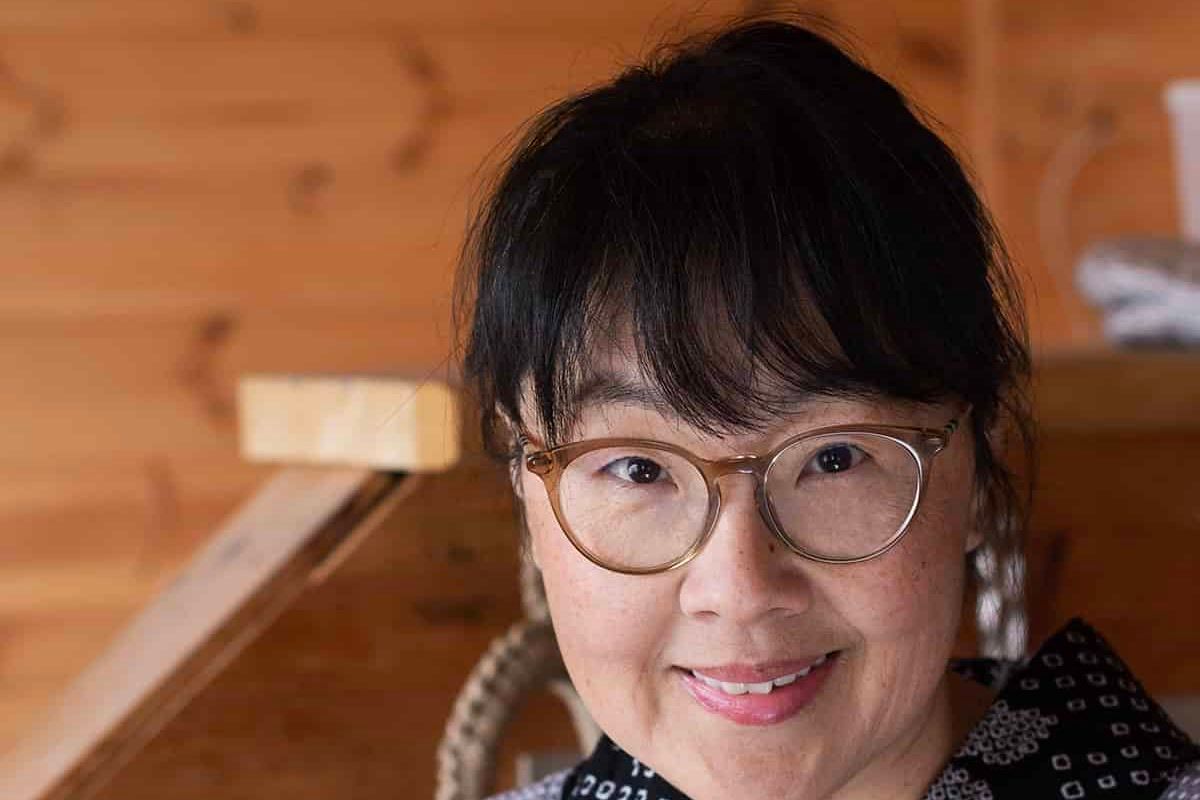
Shihoko Ura, the Wakayama-born cook and food photographer behind Chopstick Chronicles. Photo courtesy of chopstickchronicles.com
Chopstick Chronicles Japanese home cooking from a Wakayama childhood, made to work wherever you live chopstickchronicles.com

Shihoko Ura's grandmother kept a few ume plum trees in her vegetable patch in Wakayama. When the plums were green, Shihoko picked them with her, then watched her turn them into umeshu, a plum liqueur the grandchildren were not allowed to drink. Sometimes, as a treat, her grandmother handed them one of the plums from the jar. Takana mustard greens grew in the same patch, and her grandmother pickled them all the time.
Ura was born in Wakayama prefecture and learned to cook there, from her grandmother and her family, in the countryside. She moved to Australia with her family more than twenty years ago, worked as a nurse and a teacher, and kept cooking the food she grew up on for her own children. The teaching goes back to Wakayama too: her third- and fourth-grade teacher lived in the teachers' housing right next to her parents' house, and one evening invited Shihoko and her younger sister to dinner. Her mother made mehari zushi to share, the teacher cooked omurice, and that teacher, she writes, was her inspiration to become one. In 2015 she started Chopstick Chronicles to share those family recipes. Her about page names the problem she was really solving: the Japanese ingredients she had grown up with were no longer easy to find, so she learned how to adjust the recipes, where to source things, and "how to substitute or make the ingredients herself." More than 360 posts later, that last part is the heart of the blog.
Making the Ingredient, Not Just the Dish
Most Japanese recipe writing outside Japan starts at the shop. Chopstick Chronicles keeps going one step further back. There are posts on making aburaage, the fried tofu pouches usually bought ready-made; on koji seasonings fermented at home; on shibazuke pickles, kaeshi sauce base and fermented sweet red beans. The recipes come with the reasoning a grandmother would give you: why the salt matters, what happens if you cut it, which shortcut is fine and which one is not.
The blog also keeps Japan's calendar, which is easy to lose at a distance. There are tsukimi dango for the autumn moon, sakura mochi wrapped in a pickled cherry blossom leaf for the blossom season, kashiwa mochi in an oak leaf, ozoni for the New Year, and hoshigaki, persimmons peeled, hung and massaged for a few weeks, which she describes as a symbol of patience and craftsmanship. Read in order, the archive is a year of Japanese home cooking, written for someone who cannot just walk to the shop and buy it.
It is the same instinct that built Laylita's Recipes, where Layla Pujol called friends' mothers in Ecuador and measured every step, and that drives Ranji Thangiah, who rebuilds her late father's Sri Lankan dishes by taste in south London. Ura's version comes with a phone call too. When she needed to know how to pickle takana, she rang her mother in Japan. Her mother did not pick up, so she worked it out herself.
Two Pieces Worth Exploring
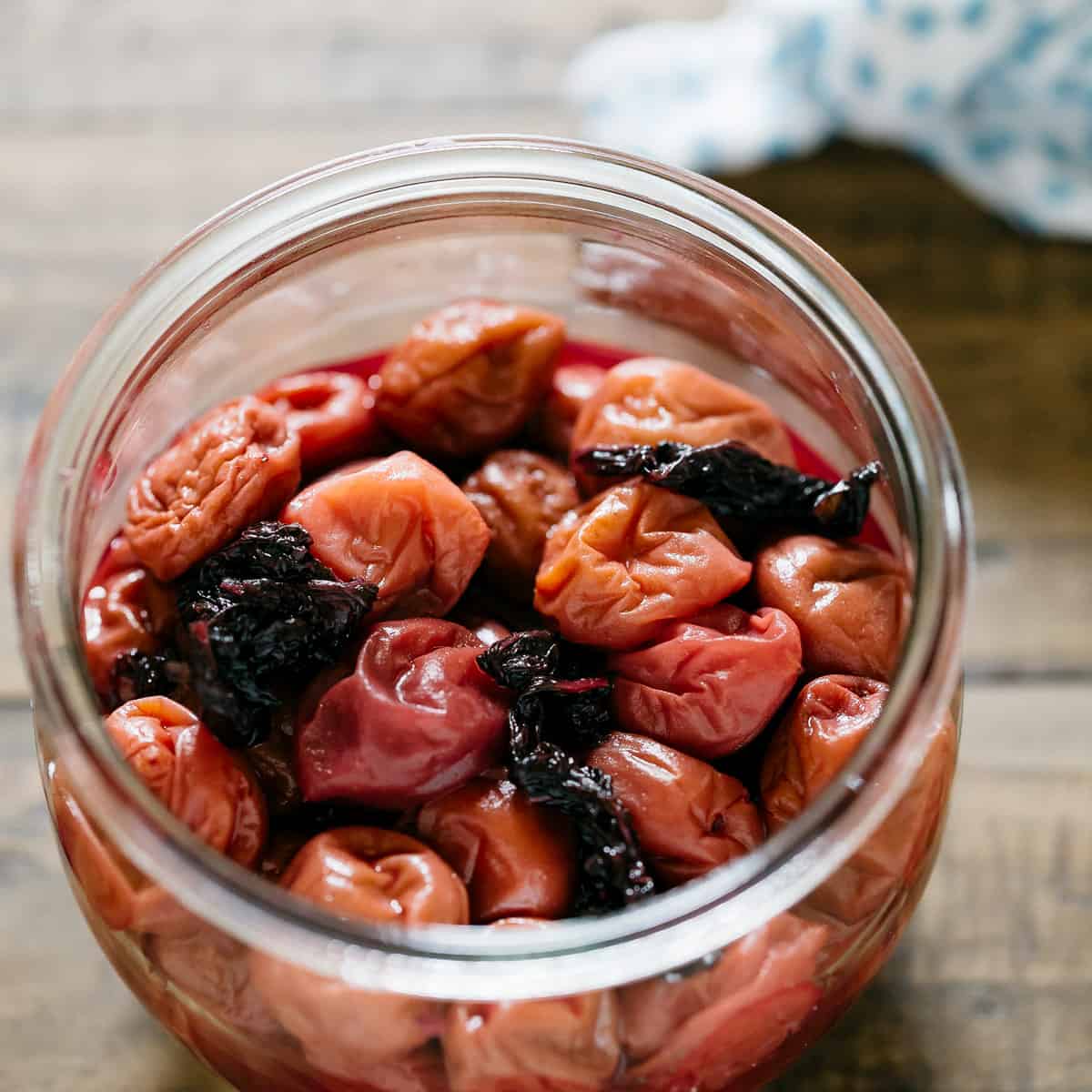
Umeboshi Salt-cured, sun-dried ume plums made from scratch, the way her grandmother made them chopstickchronicles.com
Umeboshi are green ume plums packed in salt, then dried in the sun, often dyed red with purple shiso. In Japan, Ura writes, she would choose Nankō ume, the variety grown in the part of Wakayama she comes from. Outside Japan, "if you can find any fresh Ume plum consider yourself lucky." The post is a full method, and it is honest about the improvising: her batch was 350 grams of plums she happened to find at a local Japanese grocer, in a glass jar that cost about five Australian dollars, weighed down with 350 grams of baking beads in a sandwich bag. The one thing she will not improvise is the salt. She sticks to 20 percent of the plums' weight, "like my grandmother used to make," and explains why: cut it and mould moves in. Nothing is wasted, either. The brine becomes plum vinegar, and the shiso leaves dry into yukari furikake.
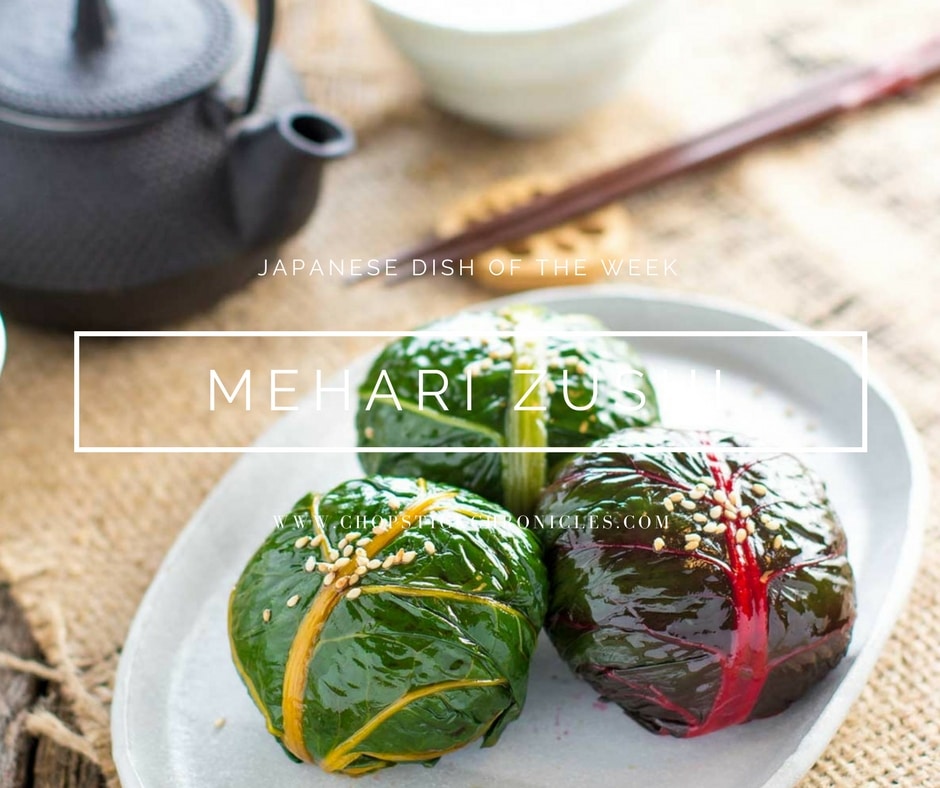
Mehari Zushi A Wakayama rice ball, rewrapped in Swiss chard from a Brisbane market chopstickchronicles.com
Mehari zushi belongs to Wakayama and Nara: rice mixed with chopped pickled takana, wrapped in a whole pickled takana leaf, so big and so good, the story goes, that it makes everyone's eyes open wide. Her grandmother made it for dinner when Shihoko and her cousin, who was also her best friend, slept over. In Brisbane she had never seen takana. At her Sunday organic market, the one where she finds shiso, kabocha, edamame and even yomogi, she spotted rainbow Swiss chard and thought the leaves looked close enough. This is the post with the unanswered phone call. She parboiled the chard to make it easier to pickle without a big crock, and her mother told her later she did not need to. The recipe stands as written, a regional dish carried across the equator and rebuilt from what was on the stall.
Why It Matters
For many cooks outside Japan, Japanese food means what restaurants serve. Chopstick Chronicles is the food that never reaches a menu: a simmered chicken and vegetable stew, New Year ozoni, dumplings for moon viewing in autumn, a rice ball from one prefecture wrapped in whatever leaf the market had. It is also the first Japanese kitchen in this series, and a reminder that a regional cuisine can survive a move to the other side of the world if someone is stubborn enough to make the ingredients by hand.
Ura is that someone. When a recipe stumped her, she called her mother, and when nobody answered she worked it out, wrote it down and posted it, so the next cook far from Wakayama would not have to.
Explore Chopstick Chronicles: https://www.chopstickchronicles.com
We're featuring exceptional food blogs that bring unique perspectives to cooking and culture. At ChefTalk, we're building a voice-first cooking companion that transforms any recipe into hands-free, step-by-step guidance. Learn more.