Ranji Thangiah's Tooting Mama: The Sri Lankan Recipes Her Father Never Wrote Down
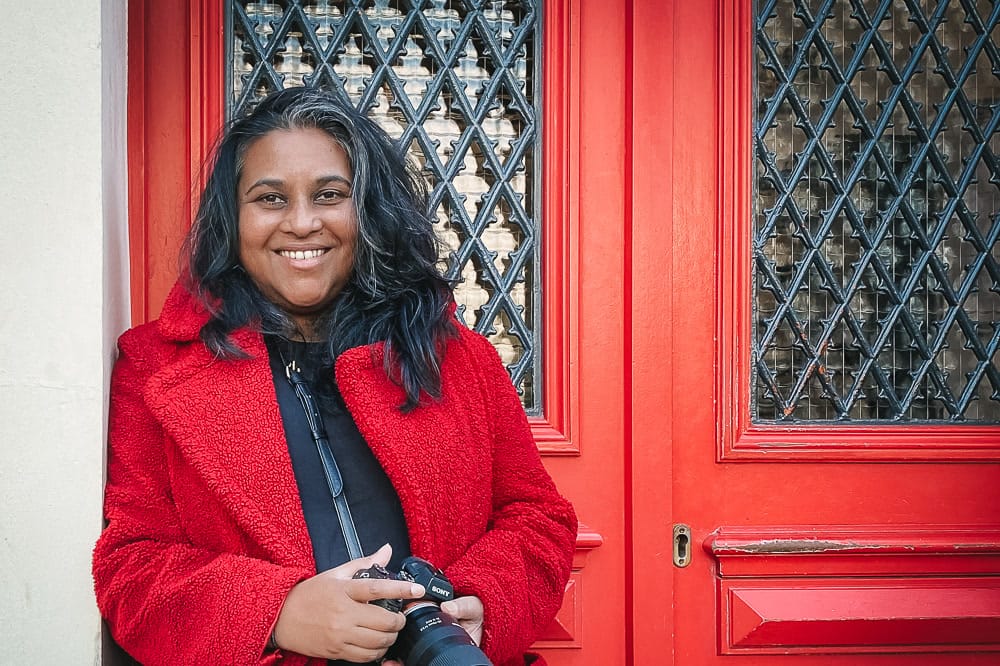
Ranji Thangiah, the Sri Lankan recipe writer, food photographer and food tour guide behind Tooting Mama. Photo courtesy of tootingmama.com
Tooting Mama Sri Lankan home cooking from south London, written down by a daughter whose parents never wrote anything down tootingmama.com


Ranji Thangiah's parents cooked the way a great many Sri Lankan parents did: by instinct, from memory, with whatever was in the cupboard that day. Their recipes were always changing, she writes, "and why write anything down when all you had to do was open the cupboard and you just knew what to do?" Then her father died, and his pork curry went with him. It was more than losing a dish. "I had lost a connection with my heritage."
Tooting Mama is what she built in its place. Named for Tooting, the corner of south London at the centre of her work, it is a Sri Lankan recipe blog written backwards: a daughter tasting, testing and rebuilding the food of her childhood until it matches the memory. Her most treasured tool is her parents' 1960s edition of the Ceylon Daily News Cookery Book, which travelled with them to England. The recipes she has rebuilt sit free on tootingmama.com, from her mother's curry powder to a black pork curry she calls "a curry for the home." These days the new ones arrive weekly through her Substack, with stories, a podcast and her own photographs.
Cooking It Until It Tastes Like Dad's
Thangiah describes herself as a recipe creator, writer and food photographer, and her about page lists features in the Metro and BBC Good Food, a cooking demonstration at the Great British Food Festival, and a commendation from the World Food Photography Awards. But the work underneath all of it is reconstruction. Her father, she writes, "never wrote the recipes down. Even after making this dish, he could never recall how he created it. The food appeared and we ate it." So she cooks a dish over and over, pieces it together from different cookbooks, and stops when it tastes right.
That instinct puts her in good company in this series. Suzanne Nuyen of Bun Bo Bae writes down the Vietnamese home cooking that never made it onto a restaurant menu, and Azita Mehran has spent seventeen years writing Turmeric & Saffron as a letter to her mother's kitchen. Thangiah's version is written for a cook who has never touched a curry leaf: she explains what tempering is, what to do with a bag of mung beans, and which shop-bought spices to reach for when there is no time to roast your own.
Two Pieces Worth Exploring
How to Make Authentic Sri Lankan Devilled Prawns
 Tooting Mama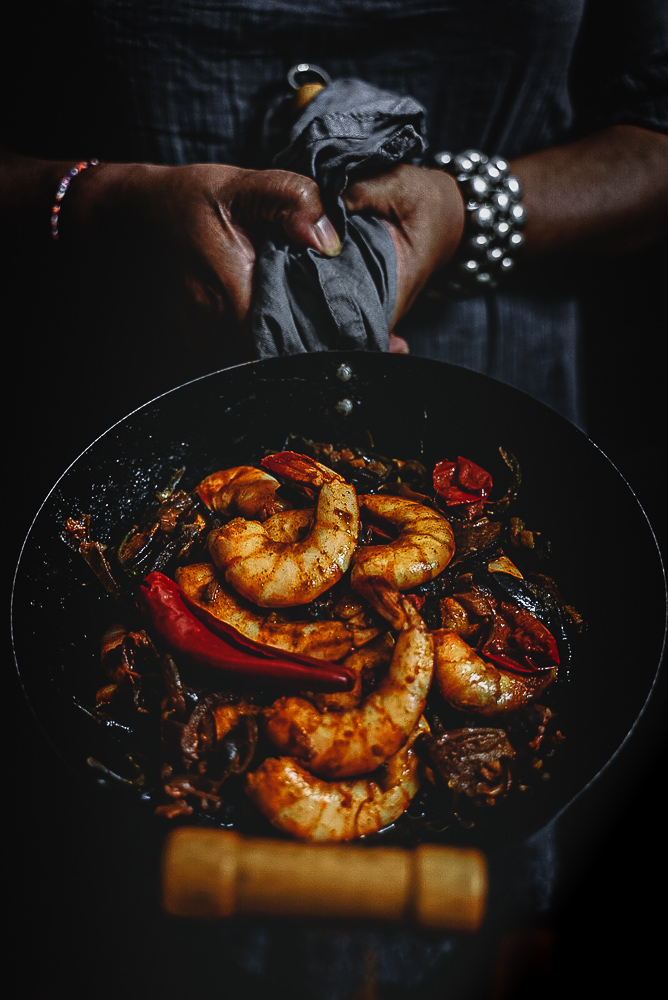
Sri Lankan Devilled Prawns Her father's dish, rebuilt by taste until it matched the memory tootingmama.com
Every devilled dish, she says, is about the balance between heat, sweetness and sourness, and this post is her working through each lever in turn. Soy sauce and Worcestershire sauce together, because neither alone gives the "cheek sucking tang." Apple cider vinegar to tie the chilli to the sugar. Red onions cooked dark and almost caramelised, because the dish has little gravy and the onions make it sticky. A few cherry tomatoes rather than ketchup, which she finds too sweet. Her verdict on the result is honest rather than triumphant: "This is pretty much how I remember my Dad making his devilled prawns." Five years later she was still telling readers it had taken several tries and several cookbooks to get there.
How to Make Sri Lankan Love Cake
 Tooting Mama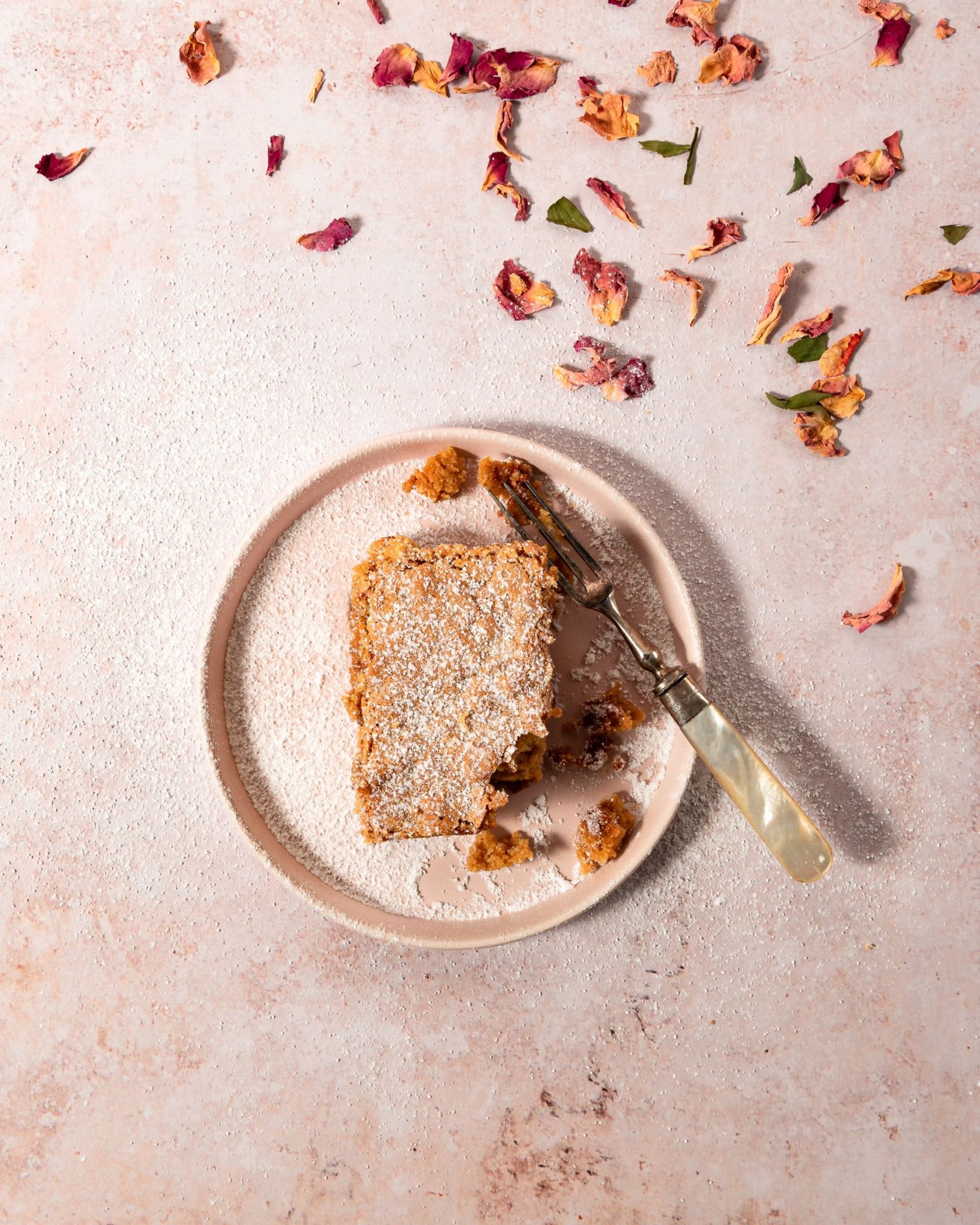
Sri Lankan Love Cake Her mother's recipe, and the colonial history baked into it tootingmama.com
If the prawns are her father's, the love cake is her mother's: "My Love cake recipe is a version of my mother's," and baking it each February has become her own tradition. It is a dense, rich cake of cashews, semolina, rosewater, honey and lemon zest, made with seven eggs and half a kilo of sugar, and it cannot be rushed. The post goes further than the recipe. She traces the cake to Sri Lanka's Burgher community, descendants of Portuguese and Dutch rule, admits nobody knows which of the two it came from, and reads the cinnamon, cloves and nutmeg as a record of the people and cultures that moved through colonial Ceylon. She credits the scholarship she drew on and sends readers to Hilda Deutrom's Ceylon Daily News Cookery Book for more. "You can bet everyone's mother has the best recipe for love cake," she writes, which is exactly why hers is worth writing down.
Why It Matters
Sri Lankan food is so often seen, in her words, as "an extension of Indian food," and Thangiah wants that changed. Sri Lanka, she writes, "is its own country, with its own history, and with its own diverse communities," and she names the problem plainly: "the lack of authoritative writing that documents our food." Tooting Mama answers it one family recipe at a time, much as Maryam Jillani set out to build the archive Pakistani cuisine deserved.
This year she took the work off the page. Her Sri Lankan food walking tour runs on Saturday mornings in Tooting: short eats, string hoppers, sothi and kotthu roti, and a Sri Lankan grocery where newcomers learn what to do with the coconuts at the door and the many kinds of rice inside. The shop's manager has told her more people have been coming in since the tours began. She also co-founded the Sri Lankan Culture Collective, whose 2025 festival celebrated the food, music and art of the diaspora. One recent Saturday her only guest was Sri Lankan, and the two of them talked about food for three and a half hours. Her father never wrote down how he made his prawns. His daughter has, and now she walks people to the shop where they can buy everything they need to make them.
Explore Tooting Mama: https://tootingmama.com
We're featuring exceptional food blogs that bring unique perspectives to cooking and culture. At ChefTalk, we're building a voice-first cooking companion that transforms any recipe into hands-free, step-by-step guidance. Learn more.