Melissa Thompson's Fowl Mouths: Jamaican Cooking as a History Lesson
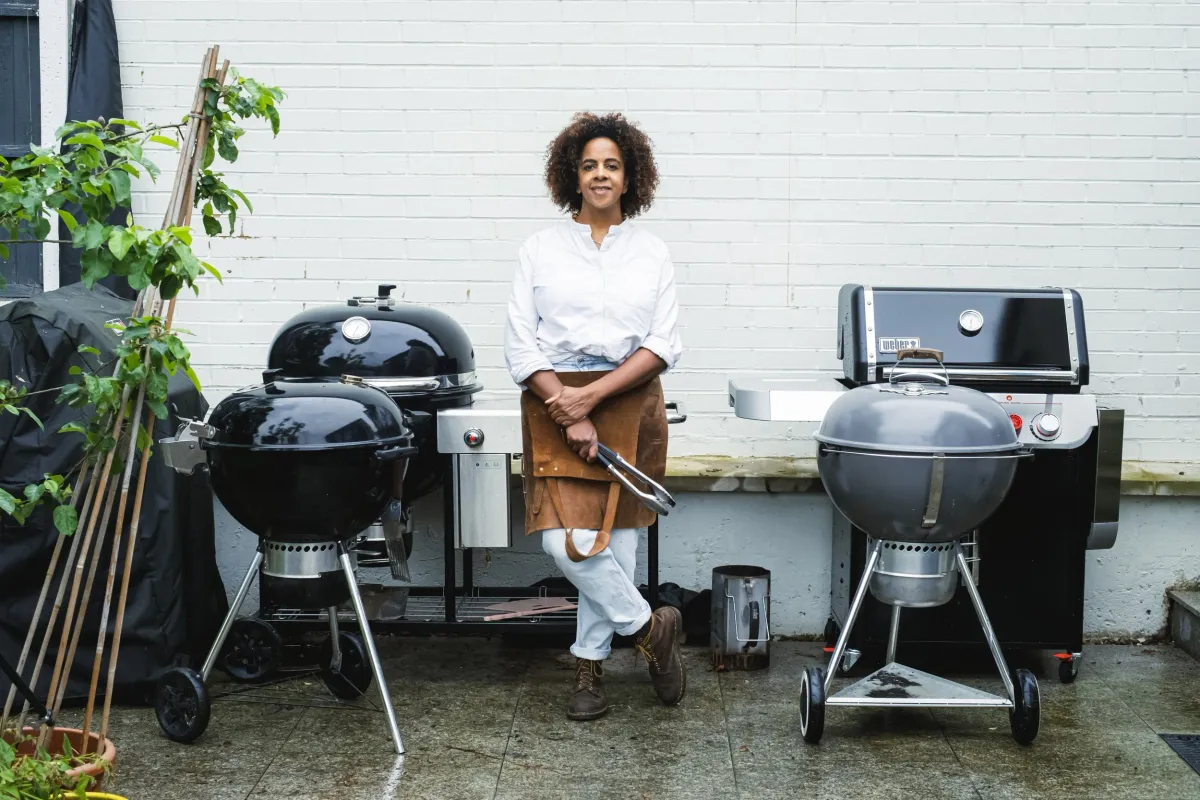
Melissa Thompson, Jamaican and Maltese food writer behind Fowl Mouths and the cookbook Motherland, cooking traditional Jamaican food
 0
0
Fowl Mouths Jamaican food writing that treats every recipe as a piece of history fowlmouths.co.uk
Melissa Thompson grew up in Weymouth, a seaside town in Dorset where there was almost no Jamaican community to speak of. Her father was Jamaican, her mother Maltese, and the food on the family table was her clearest line to a homeland she did not live in. She watched, she learned, and years later, cooking on her own, she began recreating the dishes that meant home. Then she started asking questions. How did ackee and saltfish, two ingredients from opposite ends of the earth, end up on the same plate? What actually makes jerk jerk? Those questions became the engine of her work.
Thompson spent her early career as a newspaper journalist before a last-minute supper club class in 2014 sent her in a new direction. Fowl Mouths began as a pop-up, grew into a London institution, and eventually gave way to the writing and recipe work she is known for now. Her debut cookbook, Motherland, arrived in 2022 and announced a particular kind of food writer: one as interested in the archive as the kitchen.
A Cookbook That Refuses to Look Away
Motherland is, in Thompson's own description, a cookbook with a historical narrative. It charts more than five hundred years of the people, ingredients, and forces that shaped Jamaican cooking, and it does not soften the parts that are hard to read. The recipes for jerk pork, braised oxtail, and ackee and saltfish sit alongside essays on slavery, colonization, and the immigration that carried these dishes around the world. Jamaican cuisine, in her telling, cannot be separated from Jamaican history, and the cooking is richer for being understood that way.
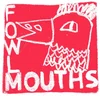
Take jerk, the dish most people think they already know. Thompson traces it to the Maroons, Africans who escaped enslavement and built resistance communities in the island's mountains, and to the indigenous Taino people they joined there. Cooking meat slowly underground, with minimal smoke to avoid detection by the British, was a survival technique before it was a flavor. When she writes about laying bay branches across the grill in place of scarce pimento wood, she is teaching technique and carrying a story at the same time.
This instinct to put the record straight runs through everything she does. In 2020 she wrote a widely shared essay for Vittles, "Black Erasure in the British Food Industry," after watching a celebratory video about London's restaurant scene that featured dozens of white faces and almost no Black ones. That willingness to name what is missing is the same impulse that makes Motherland feel less like a collection of recipes and more like an act of preservation. It places her in good company with creators like Ozoz Sokoh of Kitchen Butterfly, who maps West African foodways with an anthropologist's rigor, and Shaunda Necole of The Soul Food Pot, whose recipes carry the weight of ancestry in every line.
Two Pieces Worth Exploring
Jerk Chicken, and the History It Carries
 0
0
Jerk Chicken A legacy dish, traced from Maroon resistance to the modern grill fowlmouths.co.uk
Thompson's approach to jerk is the clearest window into how she works. She gives you the marinade, the pimento, the scotch bonnet, the long rest, and the workaround for cooking it far from a Jamaican pit. Then she gives you the reason the dish exists at all. It is a recipe you can follow tonight and a piece of history you will not forget.
Black Erasure in the British Food Industry
 Vittles
Vittles essay The piece that pushed a whole industry to look at who it leaves out vittlesmagazine.com
Not a recipe, but essential to understanding her. This essay shows the same eye she brings to a cookbook page, turned on the world of food media itself. It is sharp, generous, and impossible to argue with, and it explains why her cooking writing carries the authority it does.
Why It Matters
Jamaican food is everywhere in Britain and increasingly beyond it, yet the deeper story behind it is rarely told with this much care. Thompson writes for the cook who wants to make curry goat properly and for the reader who wants to understand why the dish looks the way it does, and she never treats those as separate audiences. Like Annick Mégie of Tchakayiti, who records Haitian cuisine from the source, Thompson insists that a national cuisine deserves to be documented on its own terms, history and all.
That she does it from Dorset, having learned her father's food at a distance and then chased down its meaning, only makes the achievement sharper. It is what happens when curiosity meets care, and it is exactly the kind of cooking the table is better for having.
Explore Fowl Mouths: https://www.fowlmouths.co.uk
We're featuring exceptional food blogs that bring unique perspectives to cooking and culture. At ChefTalk, we're building a voice-first cooking companion that transforms any recipe into hands-free, step-by-step guidance. Learn more.