Jun Belen's Junblog: A Filipino Alphabet, Written from Memory

Junblog Filipino home cooking told through memory, one dish and one letter at a time blog.junbelen.com

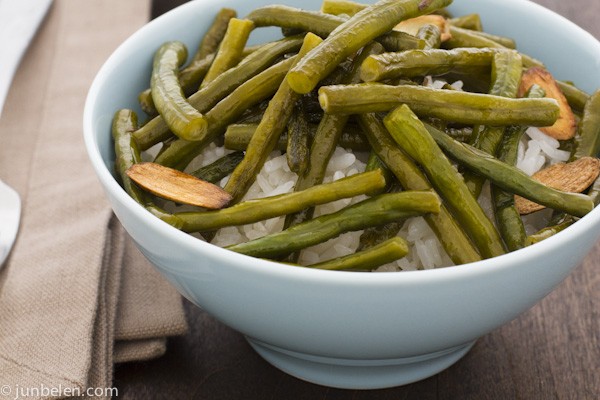
Jun Belen did not know his way around a kitchen until he left it. He grew up in Manila, where his mother cooked, and it was only after he moved to California for graduate school in 1998, alone and quietly homesick, that he started to cook for himself. His method was simple and a little desperate. He called home. His weekly long-distance phone calls to his mother turned into impromptu cooking lessons, with him asking how much vinegar went into adobo and what cut of meat a caldereta needed, and her answering, again and again, that he should taste it and he would learn.
Out of those phone calls grew Junblog, which he describes as a journal of Filipino home cooking peppered with funny and often sentimental anecdotes. The writing caught on. Junblog was a four-time finalist for Best Regional Cuisine Blog in Saveur's annual awards between 2011 and 2014, a finalist for Best Culinary Blog from the International Association of Culinary Professionals, and the recipient of a Doreen Gamboa Fernandez Food Writing prize. The New York Times once described him as a photographer working his way through a stunning alphabet of Filipino food, which is exactly what the blog became.
An Alphabet Left Whole
The conceit that organizes Junblog is an alphabet. A is for achuete oil, the annatto-stained oil that tints so many Filipino dishes. He moves through the letters dish by dish, calamansi sorbet to pork belly binagoongan to the various sawsawan, or dipping sauces, that sit on every Filipino table. Read enough of these entries and the blog stops feeling like a recipe index and starts feeling like a glossary of a whole cuisine, assembled by someone who needed to write it all down before it slipped away from him.
What gives the project its weight is that Belen treats each ingredient and each step as a way back into memory. A pot of rice carries the scent of pandan from his childhood. A craving for sourness becomes a meditation on why Filipinos reach for asim, for the comfort of something tart. The food is never only food. This instinct to anchor a recipe in a memory places him in close company with Suzanne Nuyen of Bun Bo Bae, who also learned her mother's Vietnamese dishes by phone while living alone abroad, and with Maryam Jillani of Pakistan Eats, who set out to build the documented archive her national cuisine deserved.
Junblog has not published a new post since 2016, and that turns out to matter less than you might expect. The alphabet he assembled is complete enough to stand as a finished thing, a body of work rather than a feed that stalled. It remains one of the most personal English-language records of Filipino home cooking online, and it reads today the way it read a decade ago, which is to say beautifully.
Two Pieces Worth Exploring
 Jun Belen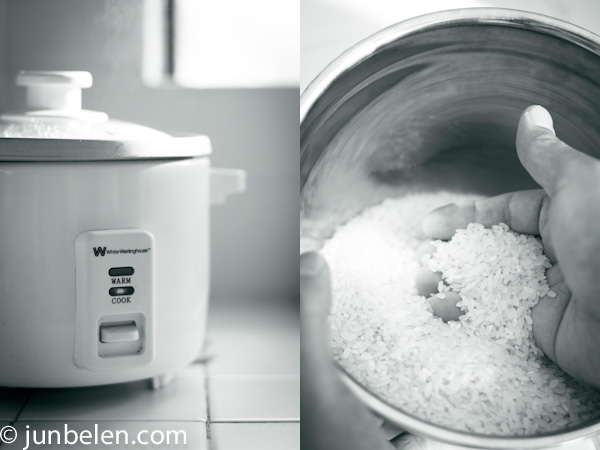
The Ritual of Cooking Rice The prize-winning essay on rice as the Filipino soul's deepest comfort blog.junbelen.com
This is the essay that won him the Doreen Gamboa Fernandez award, and it shows why. He contrasts the quiet click of an electric rice cooker on his California counter with the elaborate ritual of cooking rice back home, where his mother picks husks from the grains by hand, measures with an empty milk can, gauges the water with the folds of her finger, and buries a knot of pandan beneath the bed of rice. It is a technical account of a daily task and a portrait of his mother at the same time, and it ends on the memory of the times when rice doused with water and salt was all the family had to eat.
Making Pork Adobo and Starting Over in California
 Jun Belen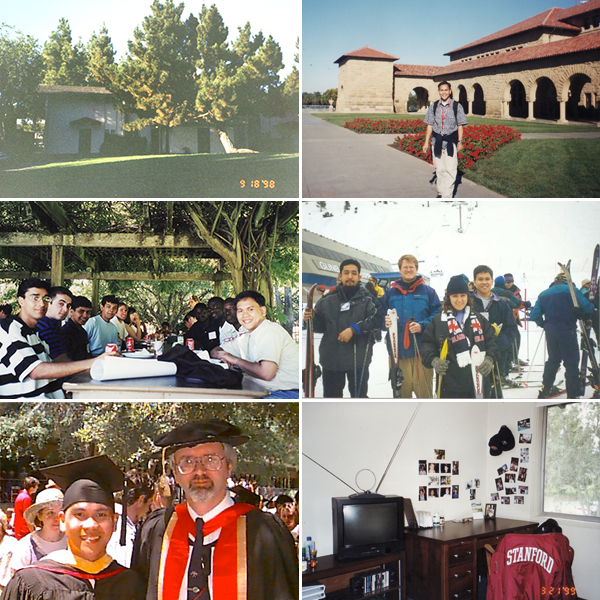
Making Pork Adobo The dish that taught a homesick graduate student he could begin again blog.junbelen.com
If the rice essay is the story-driven side of Junblog, this one is where the cooking begins. Belen lays out his mother's adobo plainly, pork marinated overnight in vinegar, garlic, bay leaves, salt, and peppercorns, then simmered slow until tender. Around the recipe he tells the story of his first lonely Saturday in California, when that same plate of adobo with rice and tomatoes splashed with fish sauce reassured him that everything was going to be fine. He writes that the way a person cooks adobo reveals where they were raised and tells who they are, and his does exactly that.
Why It Matters
Filipino food is having its moment in the United States, with a fraction of the restaurant presence of Thai or Japanese cooking despite a fast-growing appetite for it, which means the home cooks and writers documenting it carry real weight. Junblog is one of the records that got there early and got it right, written not for an audience at first but for one homesick person trying to hold onto a kitchen he had left behind. Like Azita Mehran of Turmeric and Saffron, whose blog became a years-long letter to her mother's cooking, Belen turned distance and longing into a careful act of preservation.
That the alphabet is finished does not make it any less alive. It is still here, still searchable, still teaching anyone who finds it how to make rice the way his mother taught him. Some archives are worth keeping open precisely because someone took the care to fill them.
Explore Junblog: https://blog.junbelen.com
We're featuring exceptional food blogs that bring unique perspectives to cooking and culture. At ChefTalk, we're building a voice-first cooking companion that transforms any recipe into hands-free, step-by-step guidance. Learn more.