Ozoz Sokoh's Kitchen Butterfly: The Geologist Who Mapped Nigerian Cuisine

Kitchen Butterfly Nigerian food history, culture, and recipes from a culinary anthropologist on a 16-year mission kitchenbutterfly.com
When Ozoz Sokoh arrived in the Netherlands in 2007 for a job as an exploration geologist, she found herself doing what many Nigerians abroad do: cooking from memory to stay connected to home. She had spent most of her first nine years of life refusing to eat. Now, homesick and with a scientist's eye for documentation, she started collecting recipes she had loved and never quite learned. In 2009, after nine months of drafting and second-guessing, she published her first post on Kitchen Butterfly. What began as a personal record has become the most rigorous English-language archive of Nigerian culinary history in existence.
Sokoh was born in Warri, on the southern coast of Nigeria, studied geology in Liverpool, and spent years working across West Africa and Europe before settling in Ontario, Canada. She is now a professor of food tourism and food media at Centennial College in Mississauga. The skills she brought from geology, an instinct for stratigraphy, for tracing origins and reading what the ground holds, turn out to work perfectly when applied to a cuisine with 250 ethnic groups, six distinct regional traditions, and over a century of colonial interruption. Her blog is less a recipe site than a field journal.
The New Nigerian Kitchen
In 2013, Sokoh coined the term #NewNigerianKitchen to name an approach that had been taking shape since she started cooking seriously. It is not a rebrand of Nigerian food as fusion or elevated. It is closer to the opposite: a refusal to let the cuisine be reduced to a handful of exported dishes while its deeper complexity goes undocumented. Her work traces the origins of Nigerian ingredients, their travels through the slave trade into the American South and Caribbean, and their return in new forms, a conversation between cultures that has been ongoing for centuries without ever receiving a proper name.
This kind of thinking runs through everything on Kitchen Butterfly. A post on the kola nut, published earlier this year, traces the ritual significance of the fruit across ethnic groups, its relationship to Coca-Cola's origin story, the differences between white and red varieties, and how she first learned to eat rather than merely revere it. A post from 2021 about making chicken pepper soup upon arriving in Canada as a newcomer uses the spice mix, the substitutions, the $180 Italian meal that preceded it, to say something precise about what food does when you are far from home. Both registers, the anthropological and the personal, appear in the same archive. That is what makes Kitchen Butterfly unusual.
Her 2016 post cataloguing Nigerian cookbooks from 1934 to the present is the kind of thing food historians write dissertations about. She has built Nigeria's first seasonal produce calendar. She organized the first World Jollof Day in 2017. She launched Feast Afrique in 2020, a digital library of 250 West African culinary and literary resources, free to use. In 2025, her debut cookbook Chop Chop: Cooking the Food of Nigeria landed on the New York Times' Best Cookbooks list. Culinary historian Jessica B. Harris called it a book that gives a rich and loving picture of the food of Africa's most peopled country.
The through-line from Maryam Jillani's work at Pakistan Eats is direct: both are building the archive their cuisine deserved and never had. And like Shaunda Necole at The Soul Food Pot, Sokoh understands that West African foodways did not stay in West Africa, that the dishes on American tables and in Caribbean kitchens carry Nigerian roots whether they are credited that way or not.
Two Recipes Worth Exploring
The Nigerian Kolanut: An Exploration
 Kitchen Butterfly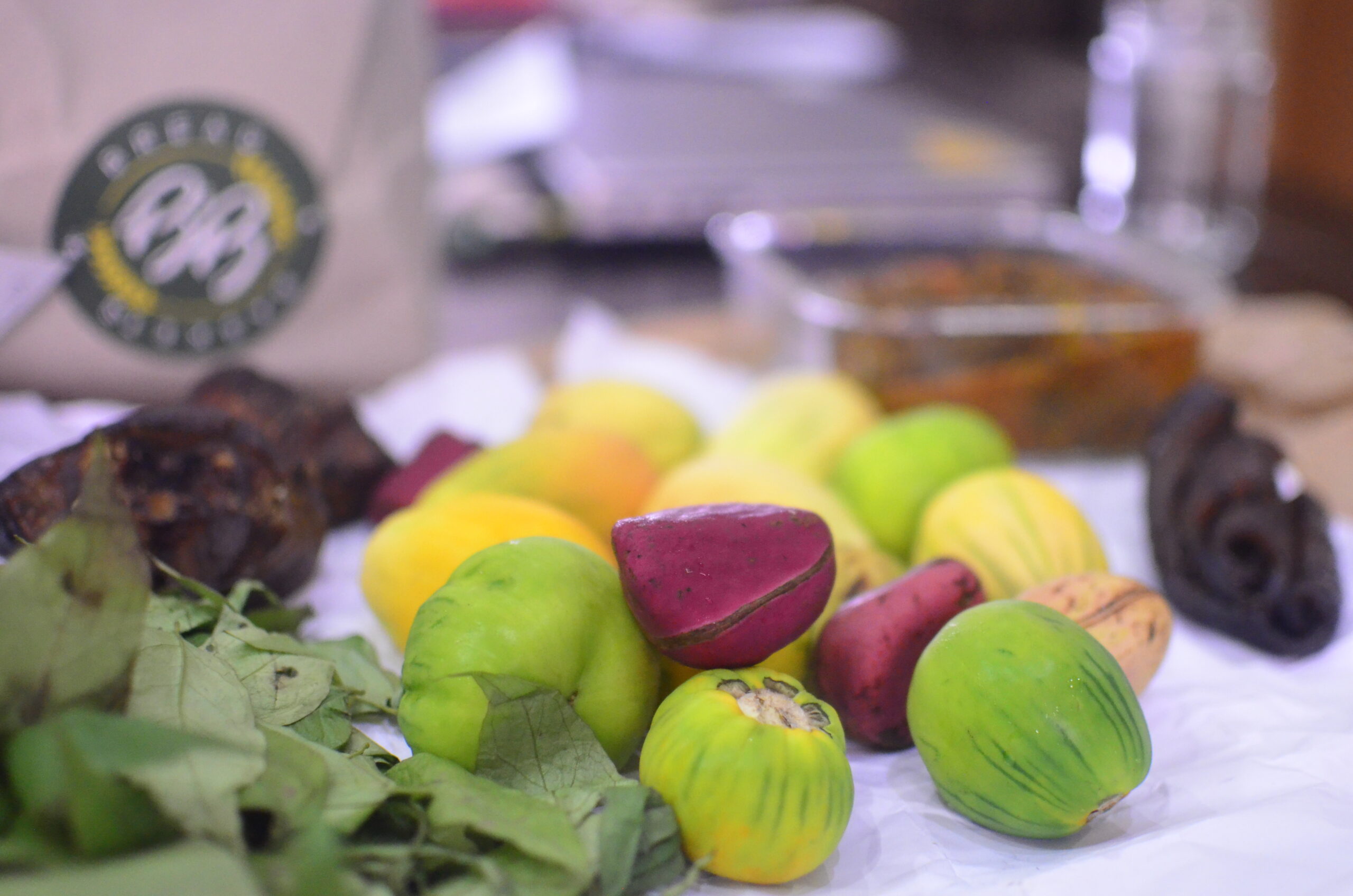
Kola nut From sacred ritual object to kola nut tea, syrup, and jelly in a single post kitchenbutterfly.com
This post is Kitchen Butterfly in its fullest form. Sokoh opens with the kola nut as a pillar of Nigerian ceremony, moves through its botanical family (related to cacao, which she discovered only when she visited Cote d'Ivoire and saw the pods growing), tracks its relationship to the cola drink industry, maps the color variants and their ethnic significance across Yoruba, Hausa, and Igbo traditions, and arrives finally at the kitchen: kola nut tea, syrup, jelly, candied, in cookies. One ingredient, fully explored from ground to table. The post is a template for how she approaches the whole cuisine.
On New Beginnings & Old Favourites: Pepper Soup Spice
 Kitchen Butterfly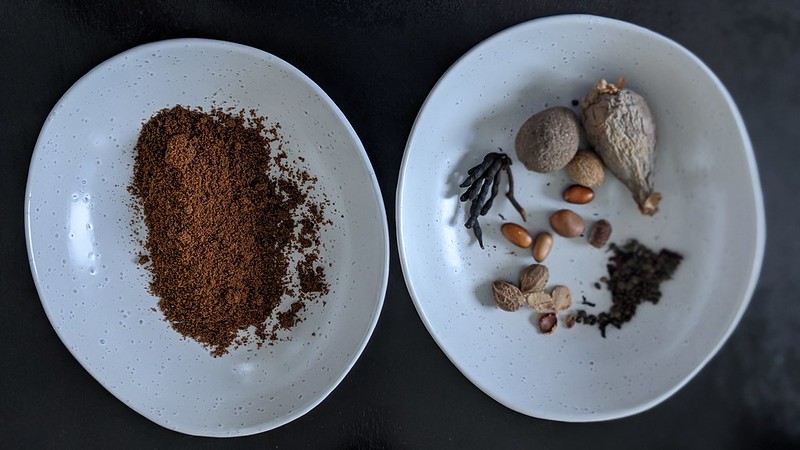
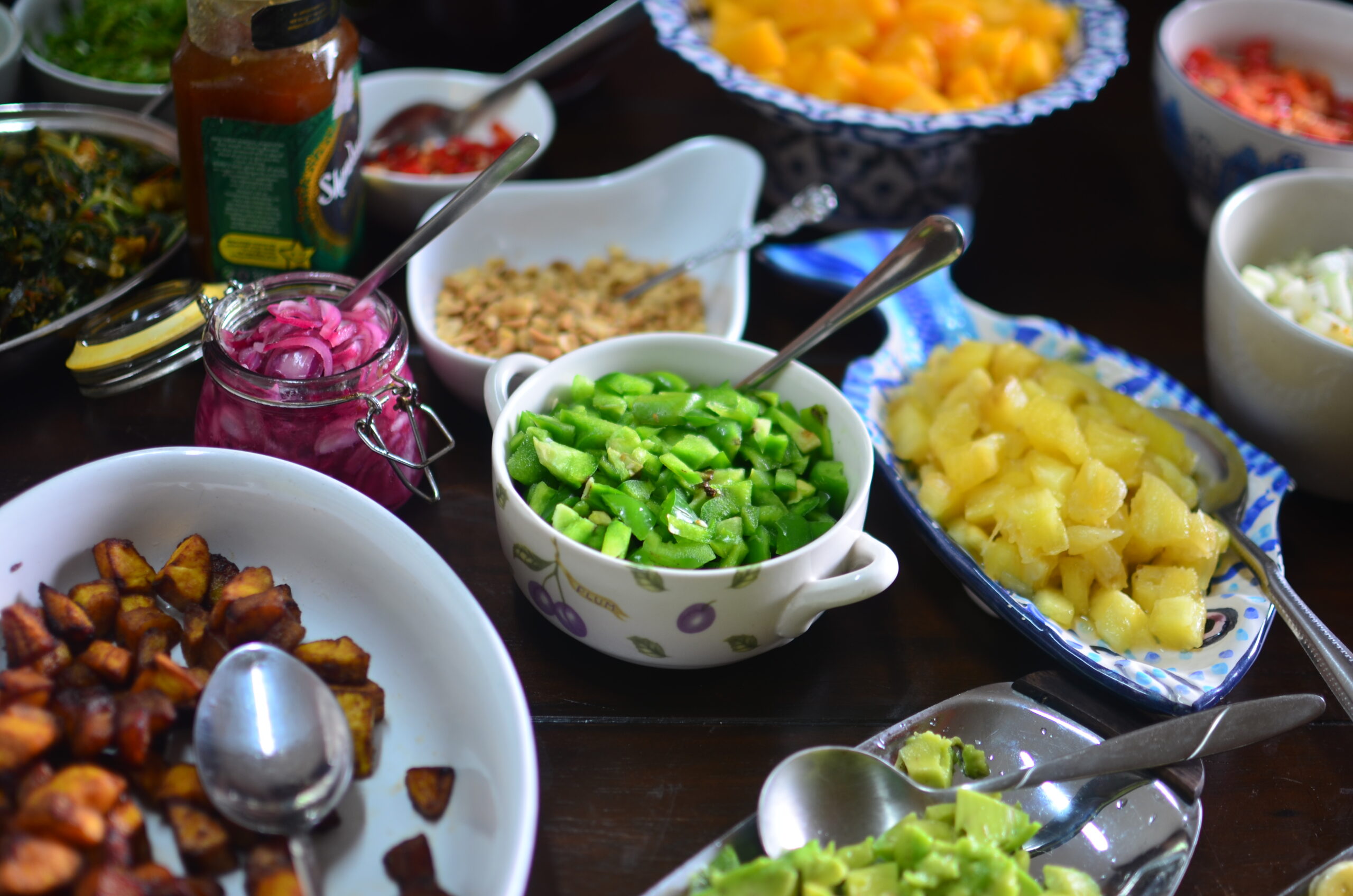
Chicken pepper soup in Canada What a geologist-turned-food historian cooks when she arrives somewhere new kitchenbutterfly.com
In January 2020, days after moving her family to Ontario in the middle of a Canadian winter, Sokoh went looking for lemongrass, dry pepper, and white sweet potatoes. She found some, substituted others, and made chicken pepper soup on the 35th floor of an Airbnb. The post is warm, funny, and exactly right about what it feels like to reconstruct home through food. Her sister had the sense to pack pepper soup spice in the checked luggage. The dry pepper went in the sea freight. You make do. The soup, she writes, won't win any awards but was a solid start to settling in.
Why It Matters
Nigerian cuisine is the most searched African food in the English-speaking world, and still among the least documented in serious food writing. Sokoh has spent sixteen years filling that gap, ingredient by ingredient, recipe by recipe, cookbook by cookbook. Her work on Kitchen Butterfly and through Feast Afrique is not just about Nigerian home cooks finding their meals online. It is about building a record that treats West African foodways with the same scholarly attention that French, Italian, and Japanese cooking have received for generations. Chop Chop on the New York Times list is recognition of what the blog has always been: primary research, beautifully cooked.
Explore Kitchen Butterfly: kitchenbutterfly.com
Sources
- Ozoz Sokoh — About Kitchen Butterfly
- Ozoz Sokoh — ozozsokoh.com
- Ozoz Sokoh — Wikipedia
- Chop Chop: Cooking the Food of Nigeria — Hachette Book Group
- Nigerian Cookbook Chop Chop Makes NYT's 14 Best Cookbooks of 2025 — Brittle Paper
- Meet Ozoz Sokoh, the Historian Creating a Digital Archive of West African Food — The Kitchn
- Ozoz Sokoh Finds Home and History in Every Nigerian Dish — Marmalade Collective
- Ozoz Sokoh — Worlds of Flavor / Culinary Institute of America
We're featuring exceptional food blogs that bring unique perspectives to cooking and culture. At ChefTalk, we're building a voice-first cooking companion that transforms any recipe into hands-free, step-by-step guidance. Learn more.