Maryam Jillani's Pakistan Eats: Building the Archive a Nation's Cuisine Deserved
Pakistan Eats Award-winning Pakistani recipes with the cultural context they deserve pakistaneats.com
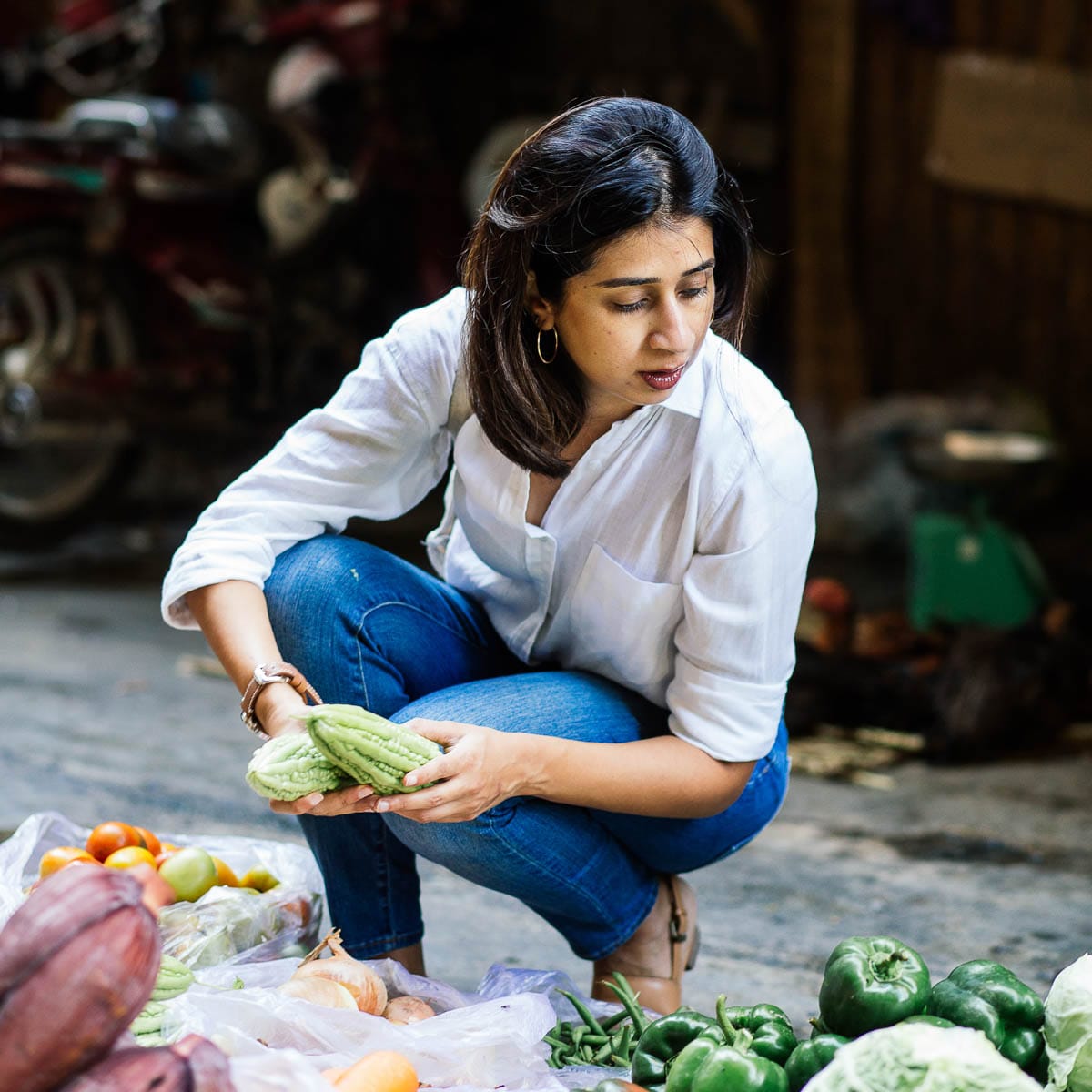
When Maryam Jillani moved from Islamabad to Washington, D.C. in 2008 for graduate school, she went looking for the flavors she grew up with. What she found instead was a gap. Pakistani cuisine, one of the most diverse and historically layered food traditions in South Asia, was barely documented online. The handful of blogs that existed were limited in scope, and the recipes she needed to recreate her family's cooking simply were not there. Homesickness did what formal training might not have: it pushed her into the kitchen, phone propped against the counter, her mother narrating recipes from thousands of miles away.
In 2016, Jillani launched Pakistan Eats with a specific mission: to collect and document Pakistani recipes that go beyond the handful of Punjabi dishes found on restaurant menus, presenting a more complete picture of the cuisine. What began as a personal project, crowdsourcing recipes from friends and family and testing them in her tiny D.C. kitchen, has grown into one of the most respected Pakistani food resources in the English-speaking world. The blog won the Saveur Blog Award for Best Food Culture in 2018, and in 2021, was selected by the Library of Congress for its Food and Foodways Web Archive.
Where Recipes Become Reporting
What sets Pakistan Eats apart from other food blogs is Jillani's insistence on context. She is not simply sharing recipes. She is a reporter who happens to work with food. Her writing for Al Jazeera, Conde Nast Traveler, Food52, and NPR reflects a consistent interest in the stories behind what people cook: migration, displacement, identity, and the quiet ways a kitchen preserves what politics and borders try to erase. On the blog, a recipe for shahi tukray does not just tell you how to fry bread and simmer it in sweetened milk. It traces the dessert's possible origins from Mughal courts to British bread pudding to Egyptian Um Ali, situating an iftar staple within centuries of culinary exchange.
This approach reached its fullest expression in her debut cookbook, Pakistan: Recipes and Stories from Home Kitchens, Restaurants, and Roadside Stands (Hardie Grant, 2025). To research the book, Jillani visited 40 kitchens in 16 villages, towns, and cities across Pakistan, documenting recipes from the country's rugged Himalayas to its quiet coastlines. The result was named one of the best cookbooks of the year by the Los Angeles Times, the Washington Post, Bon Appetit, NPR, and Serious Eats. It is, by many accounts, the most complete English-language portrait of Pakistani cuisine to date.
Two Recipes Worth Exploring
Modern Shahi Tukray (Bread Pudding)
 pakistaneats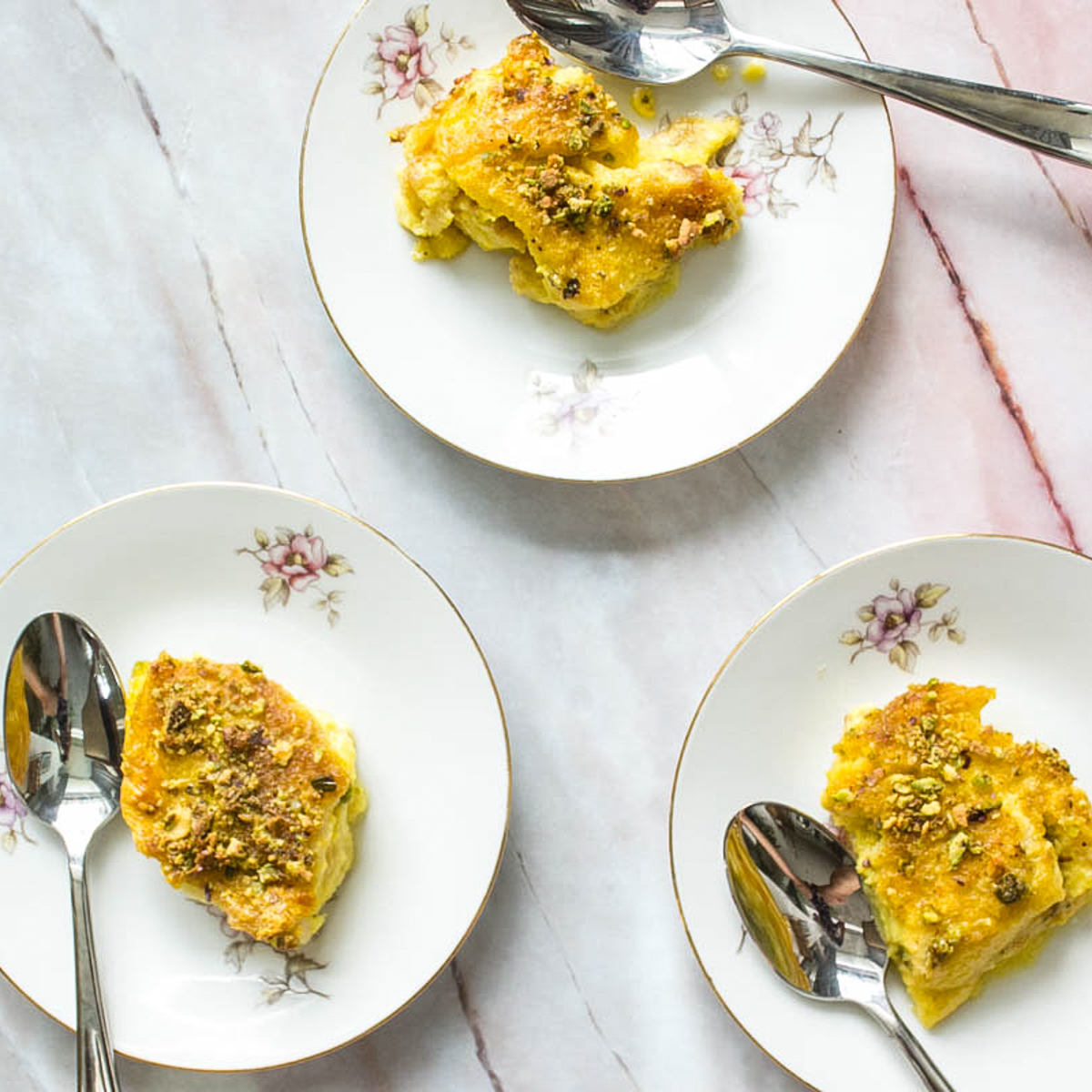
Modern Shahi Tukray A fragrant South Asian bread pudding with roots in Mughal kitchens, reimagined for today pakistaneats.com
Shahi tukray is one of those dishes that carries centuries in every bite. Jillani traces the dessert through its many possible origin stories, from Mughal royalty to colonial-era adaptations, before offering her own version: fried bread layered in a baking dish, covered with a saffron and cardamom custard, and baked until golden. It is a Ramadan iftar staple across Pakistan, and Jillani's treatment of it captures exactly what Pakistan Eats does best. She gives you the recipe, but she also gives you the history that makes it meaningful.
Easy Seviyan (Sweet Vermicelli)
 Maryam Jillani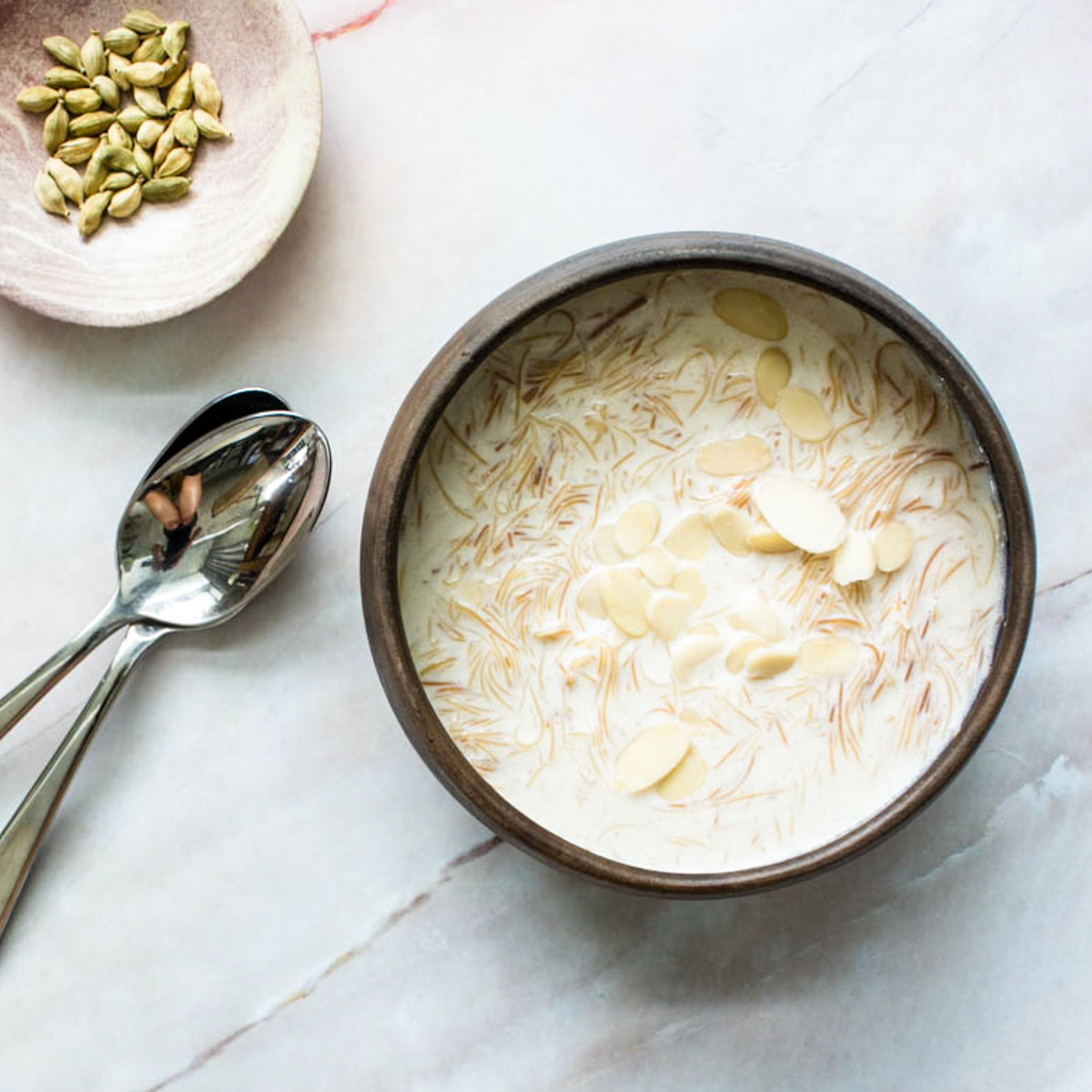
Easy Seviyan The sweet vermicelli pudding that anchors every Pakistani Eid celebration pakistaneats.com
No Eid table in Pakistan is complete without seviyan, and Jillani shares her mother's recipe. The personal history here is quietly powerful. Her mother's family is originally from Ludhiana in Eastern Punjab, India, and migrated to Jhelum in Pakistan during Partition. The recipe reflects that background: simple, unfussy, built from cardamom, ghee, vermicelli, and whole milk. It is the kind of dish that carries a family's story across borders and generations, which is precisely the kind of cooking Pakistan Eats exists to preserve.
Why It Matters
During Ramadan, food takes on layers of meaning that extend well beyond nutrition. The meals shared at iftar and suhoor connect families to their histories, their regions, and their communities. Jillani has written thoughtfully about these traditions, including an NPR piece on how Muslim food bloggers are rethinking Ramadan eating. Her work sits at an important intersection: she is both preserving recipes that might otherwise go undocumented and making them accessible to a global audience that has long overlooked Pakistani cuisine.
Pakistan Eats joins a growing roster of Blog Spotlight features celebrating creators who treat food as cultural preservation. Like Omayah Atassi documenting her mother's Syrian recipes and Hadia Zebib sharing multi-generational Lebanese home cooking, Jillani is doing essential work: making sure that the dishes families have cooked for generations are written down, tested, and shared with the care they deserve.
Explore Pakistan Eats: https://www.pakistaneats.com/
We're featuring exceptional food blogs that bring unique perspectives to cooking and culture. At ChefTalk, we're building a voice-first cooking companion that transforms any recipe into hands-free, step-by-step guidance. Learn more.