Salima Benkhalti's Salima's Kitchen: Two Homelands, One Table
Salima's Kitchen Moroccan and Puerto Rican home cooking, rooted in family recipes and built for everyday kitchens salimaskitchen.com


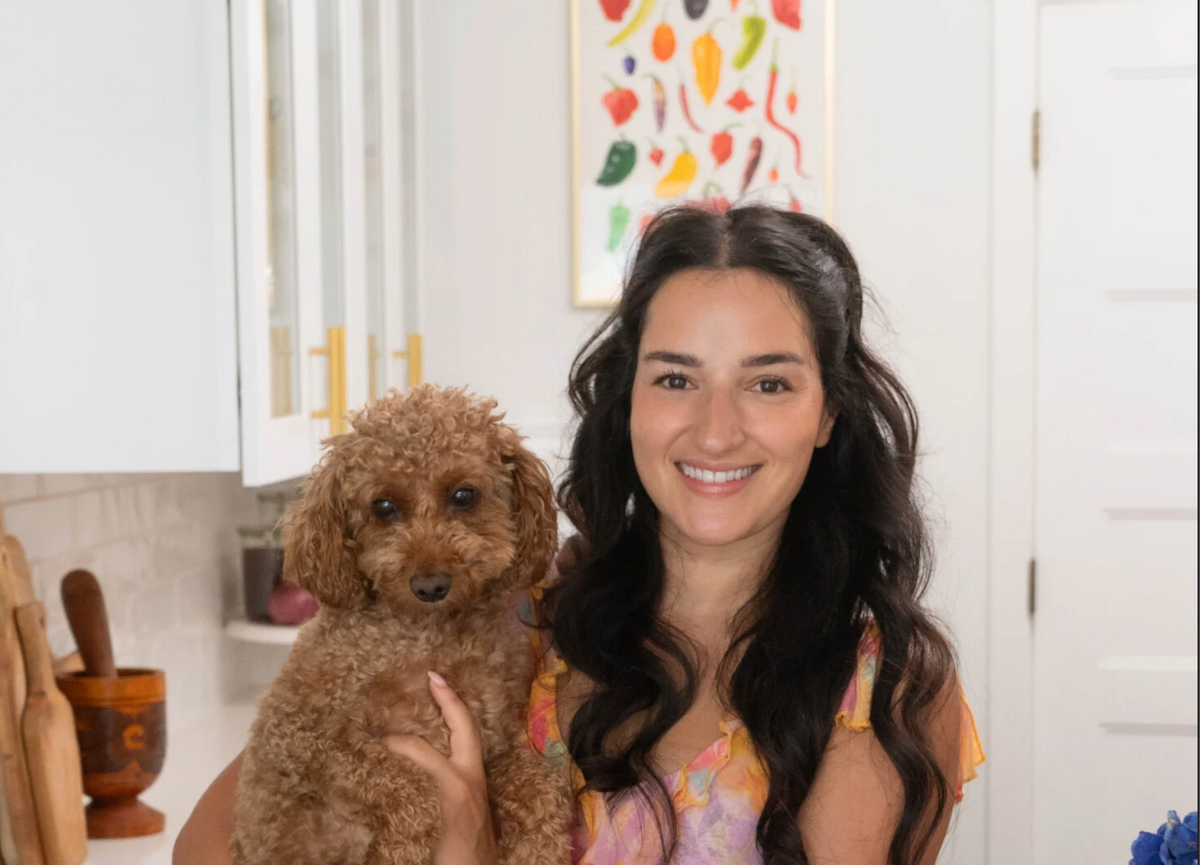
Most food blogs draw from one culinary tradition. Salima Benkhalti draws from two. Her mother is Puerto Rican, her father Moroccan, and growing up she learned to navigate both kitchens: the sofrito-scented pots of one parent and the saffron-laced tagines of the other. At Salima's Kitchen, she brings those worlds together, not by fusing them into something new, but by honoring each tradition on its own terms.
Based in Washington State and formerly a private chef in Portland, Salima started the blog in 2016 as a place to record family recipes for herself. It has since grown into a trusted resource with more than 50 Puerto Rican recipes and an equally deep collection of Moroccan dishes. She writes, photographs, and tests every recipe herself. Her work has been featured in EatingWell and on ABC's Afternoon Live, and her approach is consistently the same: get traditional recipes as close to what she remembers her family's versions tasting like, then make them accessible to cooks encountering these flavors for the first time.
Where Sofrito Meets Saffron
What makes Salima's Kitchen distinctive is not fusion but fluency. She moves between Puerto Rican pasteles wrapped in banana leaves and Moroccan couscous served over lamb with the same ease, because both are simply the food she grew up eating. Her Puerto Rican recipes cover the essential canon: arroz con gandules, pernil, carne guisada, tostones, pastelón. Her Moroccan side runs just as deep, from chicken tagine with preserved lemons to harissa lamb chops and handmade msmen flatbread.
The recipes are designed to come together in under 30 minutes with accessible ingredients, but Salima does not cut corners on technique. She walks readers through making sofrito and achiote oil from scratch, explains why sazon and adobo serve different purposes, and offers the kind of specific guidance (which color plantain to buy, how long to let your flan set) that marks someone who has actually cooked these dishes hundreds of times. The comment sections tell their own story: readers sharing how the pasteles reminded them of their abuela's kitchen, or how they made Moroccan couscous for the first time and finally understood what the dish could be.
Two Recipes Worth Exploring
Puerto Rican Pasteles (Meat-Stuffed Masa Pockets)
 Salima Benkhalti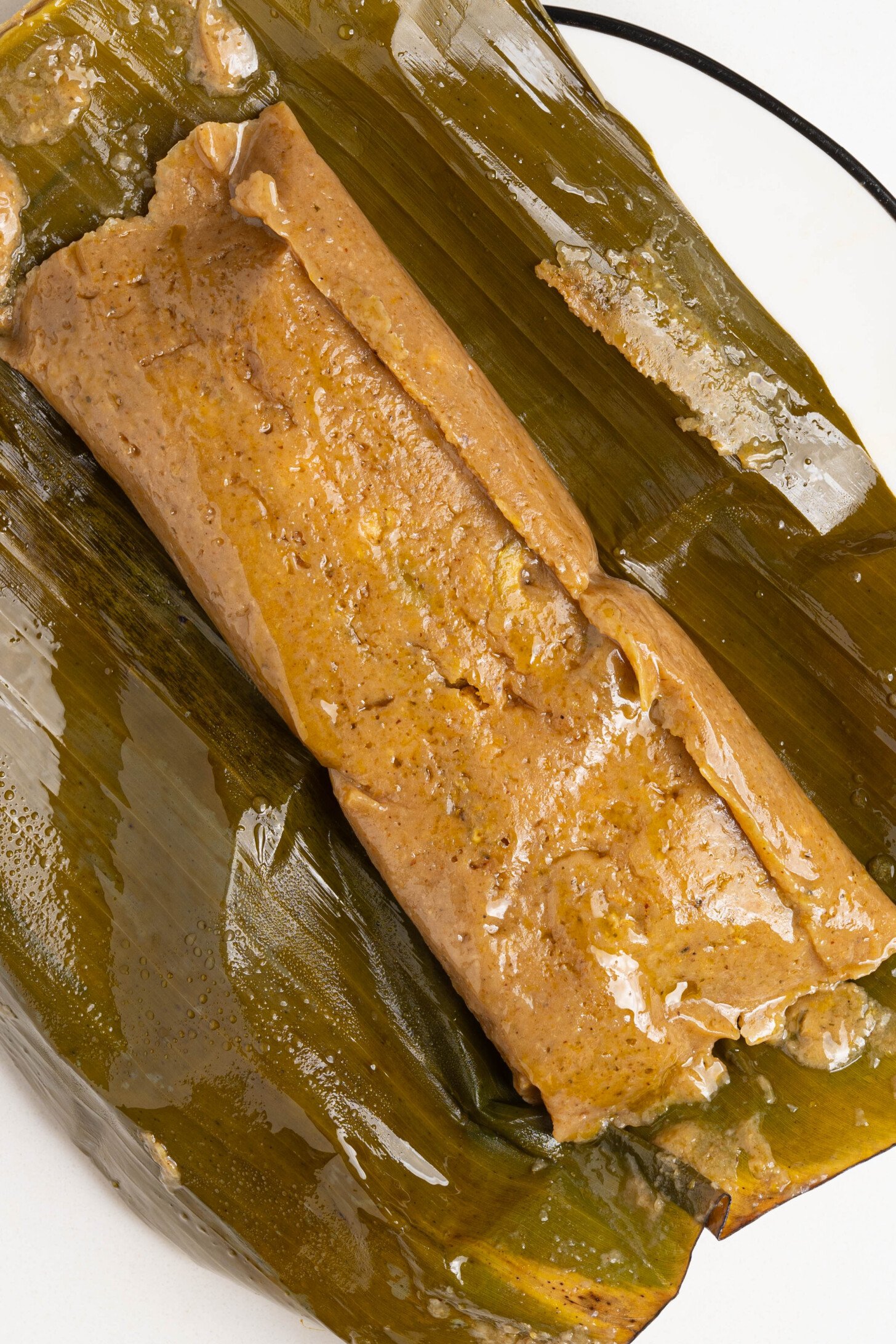
Pasteles A labor-of-love holiday classic, with pork filling in achiote-infused masa wrapped in banana leaves salimaskitchen.com
Salima calls pasteles a true labor of love, and her recipe shows why. The masa is infused with achiote oil, sazon, and sofrito before being filled with seasoned pork, wrapped in banana leaves, tied with twine, and boiled. This is the dish Puerto Rican families gather to make together at Christmas, and Salima's version captures both the technique and the spirit of that tradition. The comments are filled with readers sharing memories of making pasteles with their own grandmothers and mothers, a sign that she got it right.
How to Make Moroccan Chicken Tagine
 Salima Benkhalti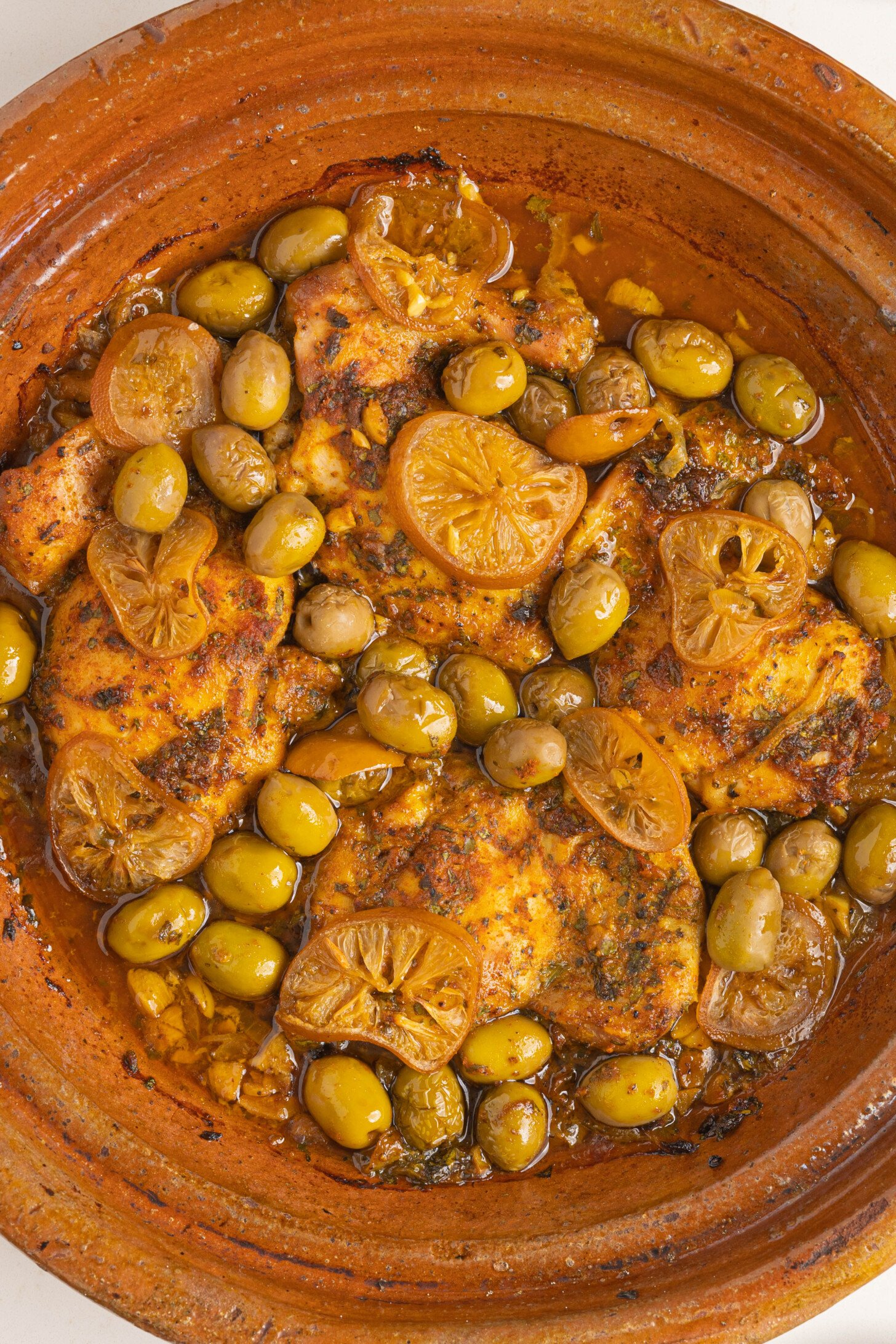
Moroccan Chicken Tagine Juicy chicken thighs in warm spices with olives and preserved lemons, served over couscous salimaskitchen.com
This recipe represents the other half of Salima's kitchen. Chicken thighs are marinated in a blend of Moroccan spices, then slowly cooked with olives and preserved lemons until they reach that particular tenderness that only a tagine can deliver. Salima learned these flavors from her father's side of the family, and her version is both faithful to tradition and thoroughly practical for home cooks who may have never worked with ras el hanout or preserved lemons before.
Why It Matters
Puerto Rican cuisine remains underrepresented in food media. As Illyanna Maisonet, the first Puerto Rican food columnist in the United States, has noted, there are perhaps ten traditionally published Puerto Rican cookbooks in existence. Blogs like Salima's Kitchen help fill that gap, one carefully tested recipe at a time. And by placing Puerto Rican cooking alongside Moroccan traditions, Salima reveals unexpected resonances between the two: the shared North African and Spanish influences, the central role of spice, the way both cuisines transform humble ingredients into something greater than the sum of their parts.
For anyone curious about either tradition, Salima's Kitchen is a welcoming place to start.
Explore Salima's Kitchen: https://salimaskitchen.com
We're featuring exceptional food blogs that bring unique perspectives to cooking and culture. At ChefTalk, we're building a voice-first cooking companion that transforms any recipe into hands-free, step-by-step guidance. Learn more.