Natacha Sanz-Caballero Preserves Valencian Culinary Heritage
 Natacha Sanz Caballero
Natacha Sanz-Caballero is proving that Spanish cooking's reputation for complexity is built on misconception. For over a decade through her blog MAMA ÍA, this Valencian food writer has documented how Spanish cuisine relies not on elaborate techniques or endless ingredients, but on excellent products cooked without adornment. Through her multi-generational family recipes from Onteniente, she preserves the regional dishes that define Valencian identity - from rice cooked over open fires to tortas celebrating local harvests. Her mission reveals the incredible diversity within Spanish cuisine that most of the world never encounters.
What sets Natacha apart from other Spanish food bloggers is the specificity of what she carries. These aren't generic Spanish recipes adapted from cookbooks or restaurant meals. They're multi-generational family recipes that trace through distinct regional traditions - her Catalan grandmother from Barcelona, her Extremeño grandfather from Cáceres near the Portuguese border, filtered through her mother's kitchen, then documented by Natacha with cultural and historical context. Each dish connects to specific places in Valencia - the orange groves of Onteniente, the coastal towns of Alcocebre and Calpe, the festivals that define her region's identity. This geographical and cultural precision makes her work invaluable for understanding Spanish cuisine beyond paella stereotypes.
The Cultural Ambassador
Natacha's credentials extend far beyond recipe development. In December 2022, the Spanish Minister of Defense awarded her the Naval Medal of Honor with white distinction for her work in disseminating Spanish culture and naval history. The medal was presented at a solemn ceremony at the Embassy of Spain in Washington DC in April 2023 - recognition that places her contributions to Spanish cultural preservation at the highest governmental level.
This recognition stems partly from her work as an author. Her novel "Yo fui el primero" (I Was the First) tells the story of the first circumnavigation of the world by Magellan and Elcano through the voices of two anonymous protagonists. The book, available in both Spanish and English, required extensive historical research and demonstrates her commitment to preserving and sharing Spanish history beyond the kitchen.
But MAMA ÍA remains her primary platform for cultural education. The blog operates as both family recipe archive and comprehensive guide to Spanish cuisine fundamentals. She's created entire sections dedicated to the tools, ingredients, and idiosyncrasies of Spanish cooking. Her paella section alone provides the kind of detailed technical and cultural education that demystifies this often-intimidated dish. She explains not just how to make paella, but why specific techniques matter, which regional variations exist, and how traditional methods connect to Valencian identity.
Her philosophy cuts through culinary mythology: "Spanish cuisine is not complicated and it doesn't use a ton of ingredients, relying more on excellent ones cooked without many adornments." This principle guides every recipe she shares. The so-called Mediterranean diet represents not a trendy eating plan but simply the cuisine she grew up with - seasonal vegetables, quality olive oil, fresh seafood, simple preparations that let ingredients shine. Her work preserves these traditions while making them accessible to home cooks worldwide.
Featured Recipes
Paella Valenciana (Traditional Valencian Paella)
Natacha's Paella Valenciana represents everything her blog stands for - regional authenticity documented with cultural and technical precision. This is not the seafood paella most people imagine, but the original Valencian version featuring chicken, garrofón (a specific type of large white bean), and saffron. The dish originated in the Valencia region where Natacha grew up, traditionally cooked outdoors over open fire during family gatherings.
She didn't expect to post this recipe early in her blog's life. Paella carries such weight - both culturally and technically - that she thought she'd need to ease readers into it with simpler dishes first. But the requests came, and she delivered with characteristic thoroughness. Her paella section provides comprehensive education: the right pan, the proper rice, the importance of socarrat (the caramelized rice crust), the technique for cooking over fire versus stovetop.
What makes her approach invaluable is the balance between authenticity and education. She explains traditional Valencian paella uses specific ingredients - rabbit, chicken, garrofón, flat green beans, tomatoes, saffron. The technique remains non-negotiable: the rice must cook uncovered, the liquid ratio must be precise, the heat must be managed carefully to achieve proper texture. She teaches not just how to make paella, but why each step matters to achieving authentic results.
Cultural context enriches every instruction. She explains how paella evolved as an outdoor meal cooked by men over wood fires, how different regions developed distinct variations, why Valencians debate paella ingredients as passionately as Italians argue about pasta. The recipe connects to specific memories - family gatherings, festival celebrations, the particular way her mother prepared it. These stories transform technical instructions into cultural transmission.
 Natacha Sanz Caballero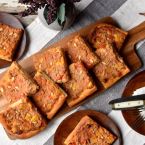
Orange and Almond Cake (Torta from Onteniente)
This gluten-free cake represents Natacha's love letter to her hometown. Onteniente grows exceptional oranges and almonds, and this simple torta celebrates both. She chose this recipe to mark MAMA ÍA's 10th anniversary - a tribute to the place that shaped her cooking and the products that define its cuisine.
The cake embodies her cooking philosophy perfectly. Simple ingredients - oranges, almonds, eggs, sugar - combined with straightforward technique create something genuinely delicious. No complicated procedures, no hard-to-find specialty items, no professional pastry skills required. She loves it with morning coffee for breakfast, as an afternoon tea accompaniment, or as a between-meals snack. The gluten-free quality comes naturally from the recipe's almond base rather than through complicated substitutions.
But the recipe means more than just a tasty cake. It connects to the agricultural identity of her region - the orange groves that perfume the air, the almond trees that bloom in early spring, the festivals that celebrate these crops. This cake carries the essence of Onteniente - the specific terroir that produces these ingredients, the generations of families who have made variations of this torta, the way it appears on tables during festivals and celebrations.
This specificity matters. Spanish cuisine encompasses incredible regional diversity - the seafood-focused cooking of Galicia differs entirely from the meat-heavy dishes of Castilla, which bear little resemblance to Valencian rice dishes or Basque pintxos. By grounding recipes in specific places and traditions, Natacha gives readers authentic entry into Spanish culinary culture rather than homogenized "Spanish food."
 Natacha Sanz Caballero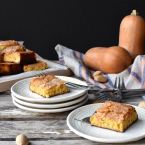
Recipe: Orange and Almond Cake
Why Regional Spanish Cooking Matters Now
Spanish cuisine remains deeply misunderstood outside Spain, reduced to paella stereotypes and tapas generalizations. Most people know only the most exported dishes, missing entirely the regional stews, the hundreds of rice dishes beyond paella, the tortas and cocas that vary by province, the vegetable preparations that showcase Mediterranean diet principles, the one-pan meals that make Spanish home cooking so practical.
Natacha's focus on Valencian cuisine opens doors to this diversity. Valencia's cooking centers on rice - not just paella, but dozens of rice dishes adapted to different ingredients and occasions. Arroz del senyoret removes all seafood shells for easy eating. Arroz con costra bakes rice with an egg crust. Arroz negro uses squid ink. Each variation reflects different contexts - festive meals, weeknight dinners, coastal versus inland cooking.
Beyond rice, Valencian cuisine offers countless dishes worth exploring. Coca de pimiento, atún y tomate (a savory torta with bell peppers, tuna, and tomatoes) appears in every household during Lent and Holy Week. Sopa mora con tostones combines Moorish influences with Valencian ingredients. The region's desserts draw on abundant citrus and almonds. Understanding these dishes provides real insight into how Spanish families actually cook and eat, not just what appears in tourist-oriented restaurants.
Natacha's work preserves these traditions through detailed documentation. She photographs each dish with natural light, capturing the textures and colors that define proper preparation. She explains not just recipes but the cultural context - which festivals call for which dishes, how families adapt recipes across generations, why certain techniques matter to achieving authentic results. This knowledge transfer ensures regional traditions survive and spread beyond their geographic origins.
Her educational approach goes beyond individual recipes. The Fundamentals section teaches Spanish cooking principles - how to choose the right pan for paella, which olive oil works best for which applications, why certain techniques matter. This knowledge transfer enables home cooks to understand Spanish cuisine deeply enough to explore regional variations confidently rather than just following instructions blindly.
Bringing Valencian Heritage to Modern Kitchens
Natacha Sanz-Caballero's work at MAMA ÍA demonstrates that regional Spanish cooking deserves recognition far beyond Spain's borders. Her recipes don't require professional techniques or impossible-to-source ingredients - they require understanding why simplicity works and how to select quality products. The Spanish government's recognition of her cultural contributions validates what her readers have known for a decade: she's preserving and sharing something genuinely valuable.
For home cooks ready to move beyond paella stereotypes, Valencian cuisine offers endless exploration. From rice dishes that showcase regional variations to simple tortas that celebrate local products to one-pan weeknight meals that embody Mediterranean diet principles, these recipes provide both delicious eating and cultural education. Natacha's multi-generational recipe transmission ensures authenticity while her comprehensive teaching approach ensures accessibility.
Her photography, shot entirely with natural light and careful composition, captures the essence of each dish. When you can see exactly what properly cooked paella rice looks like, what texture the orange almond cake should have, how the ingredients should look at each stage - cooking becomes guided rather than guessed. Her YouTube videos add motion to still images, demonstrating techniques like achieving proper socarrat or judging rice doneness.
Visit MAMA ÍA at natachasanzcaballero.com to discover Valencian recipes that carry the weight of regional tradition and the warmth of family cooking. Explore paellas beyond the seafood version, learn the tortas and cocas that define different provinces, and understand why Spanish cuisine has earned its reputation for healthfulness and deliciousness. And when you're ready to cook these recipes hands-free, let ChefTalk guide you through each step - from achieving perfect socarrat to timing multiple paella components - with voice guidance that honors both tradition and the realities of modern home kitchens.
MAMA ÍA: https://www.natachasanzcaballero.com