Maria Kalenska's My Odessa Cuisine: A Black Sea City's Recipes, Held in Both Hands
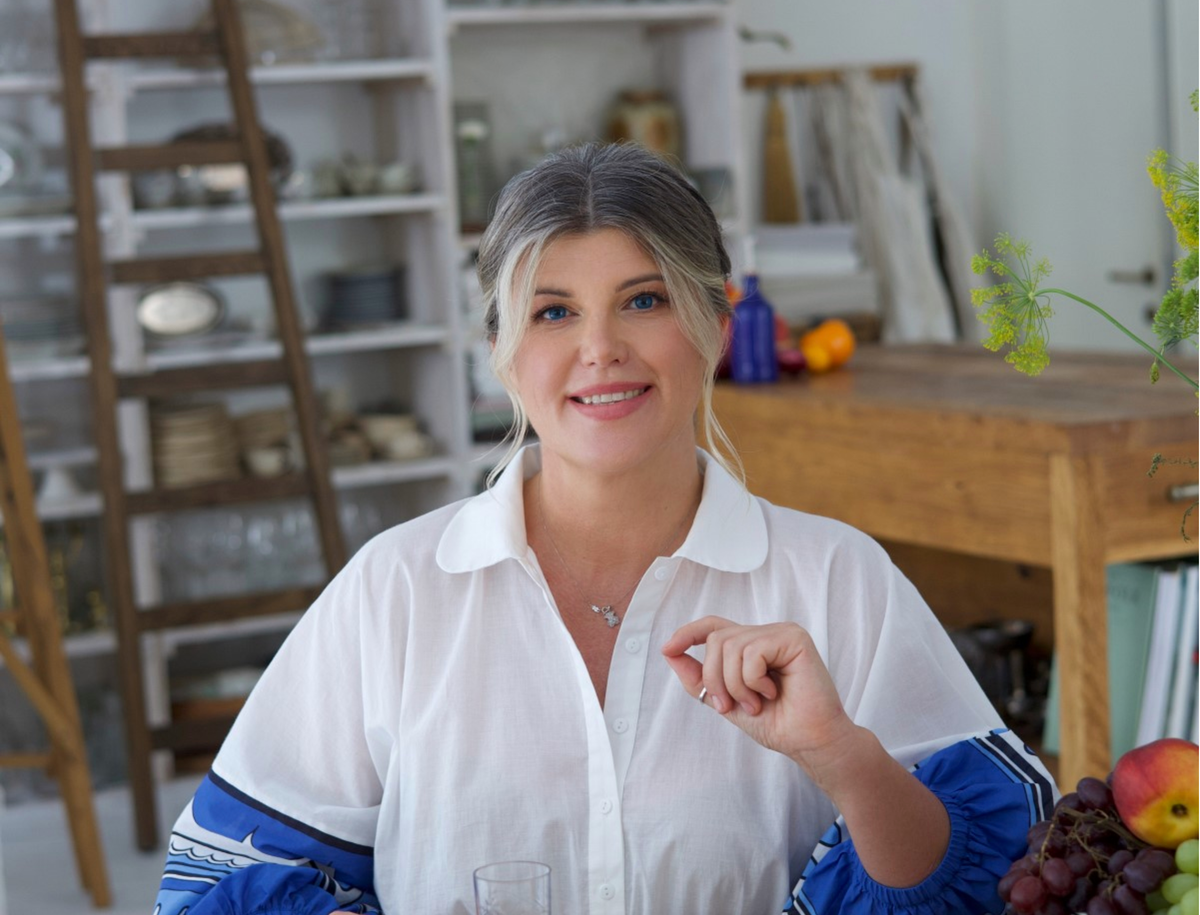
My Odessa Cuisine A fourth-generation Odesan documenting the food of a Black Sea port city shaped by Ukrainian, Jewish, Greek, Turkish, and Armenian hands. myodesacuisine.com
Maria Kalenska grew up on a street in Odesa that smelled, depending on the wind, of either tar or halva. The Oil and Fat Plant was nearby, and so were the rail lines. That childhood, lived in a courtyard where an officer, a cook, a train conductor, and a borscht-making aunt all knew each other's business, became the foundation for one of the most ambitious culinary projects to come out of the Odesan diaspora.
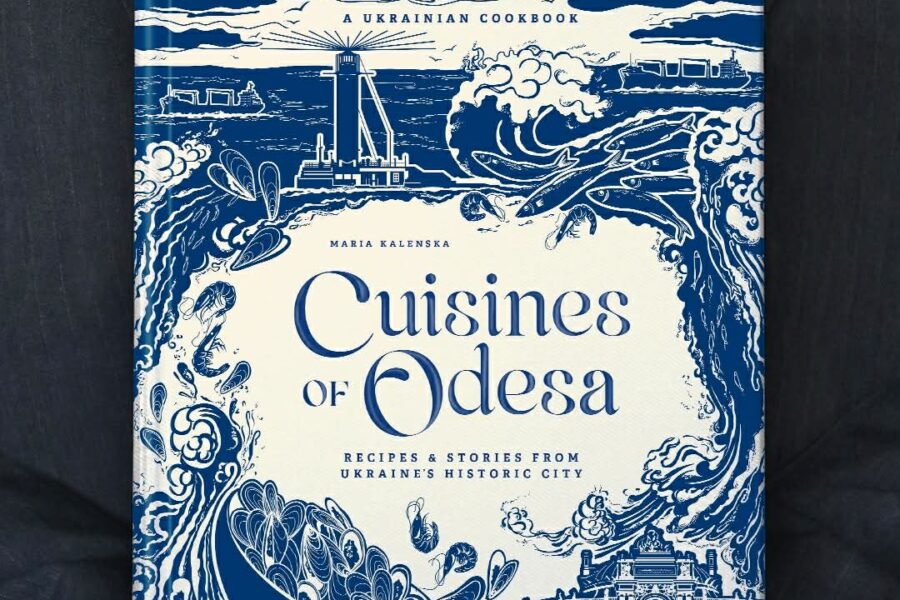
Kalenska is a culinary writer who founded Odesa's first cooking school, contributed to the EU Geographical Indication project that built Ukraine's first food and wine route, and led food tours through Bessarabia. After Russia's full-scale invasion, she founded the nonprofit Bake for Ukraine to address wartime food shortages. Her cookbook Cuisines of Odesa, published this February by Weldon Owen and Simon and Schuster, collects over 100 recipes and family stories from Odesans now scattered around the world. Her blog, started years before the cookbook, is the place where the project began.
A City That Cooks in Many Languages
Odesa sits on the Black Sea coast, and its cuisine sits on a similar crossroads. Founded as a multicultural port, the city absorbed Ukrainian, Jewish, Greek, Turkish, and Armenian cooks and never quite let any of them go. Kalenska calls Odesa a "little America," and the food bears that out. Her blog moves easily from Black Sea mussels cooked Greek-style with sheep cheese, to a Jewish-inflected aubergine dip her grandmother made, to honey cake layered with iriska cream that any real Odesan mother would prepare from scratch.
What makes the writing distinctive is the dialect. Kalenska writes in what she calls "tasty Odessa speech," the local idiom that mixes Russian with Ukrainian with Yiddish with the salt-stiffened slang of a port. You don't go to the market in Odesa, you "make" the market. A delicious thing is shikardos. Black Sea shrimp are rachky, and asking the fishmonger "whose are these?" is a coded test of authenticity. The recipes are practical and clear, but the cultural essays around them, gathered under a "My Odessa" tag, read like memoir. Like the way Polina Chesnakova writes about the post-Soviet table from her corner of the diaspora, Kalenska brings a literary ear to a cuisine English-language readers have rarely heard described in its own voice.
The diaspora project gives the work its larger frame. Her cookbook gathers stories from Odesans now living in Berlin, London, New York, and a dozen other cities, recipes carried out of the country in handwritten notebooks and reconstructed in unfamiliar kitchens. It is the kind of preservation work that takes on a different weight when the home city is under missile attack. Like Heifa Odeh's Palestinian cookbook, it shows how a food blog can become a record-keeper when other institutions fail.
Two Posts Worth Exploring
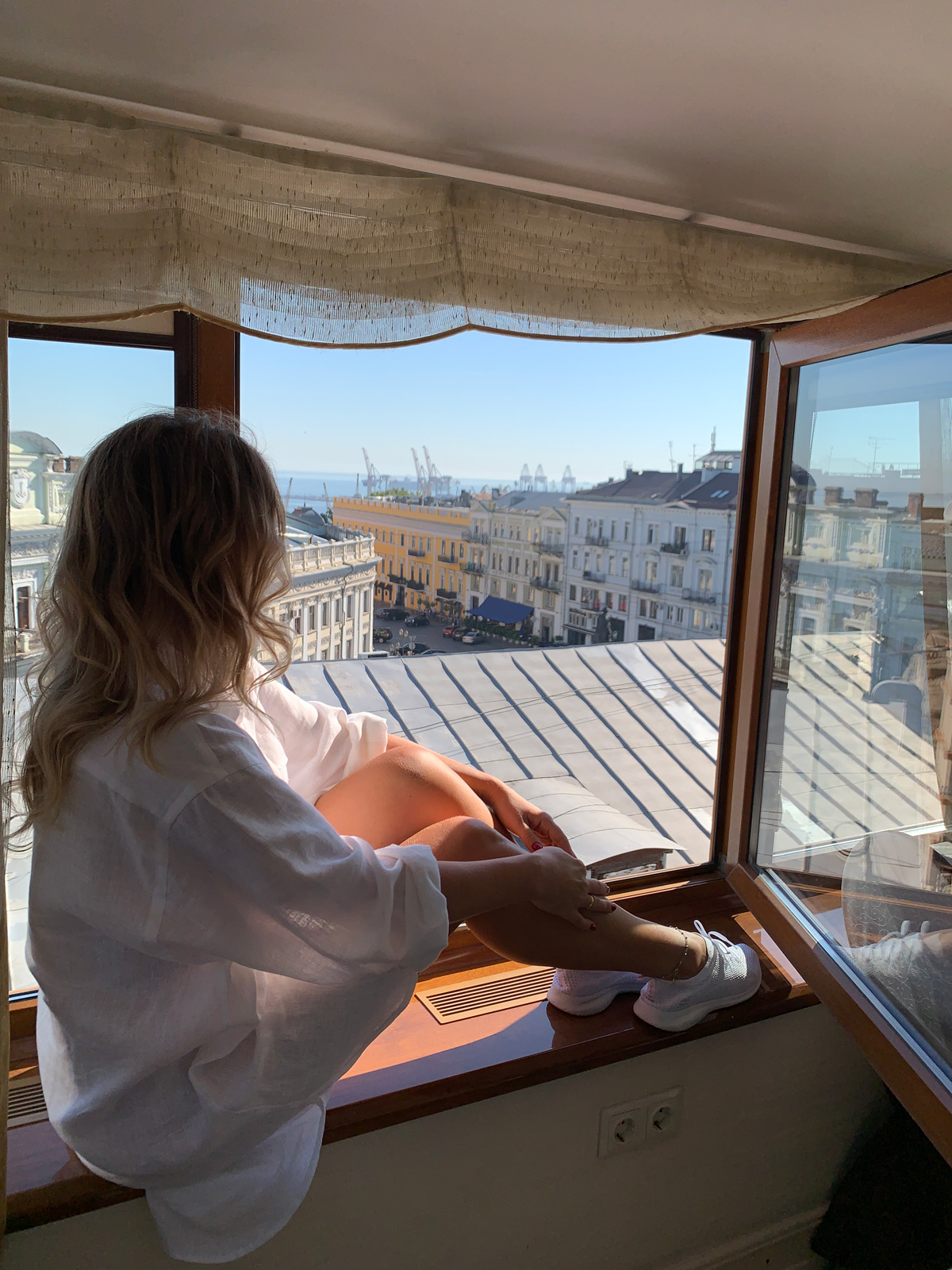
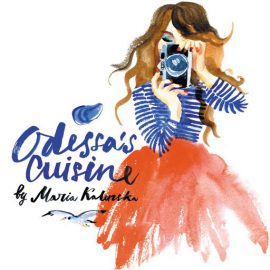 Maria Kalenska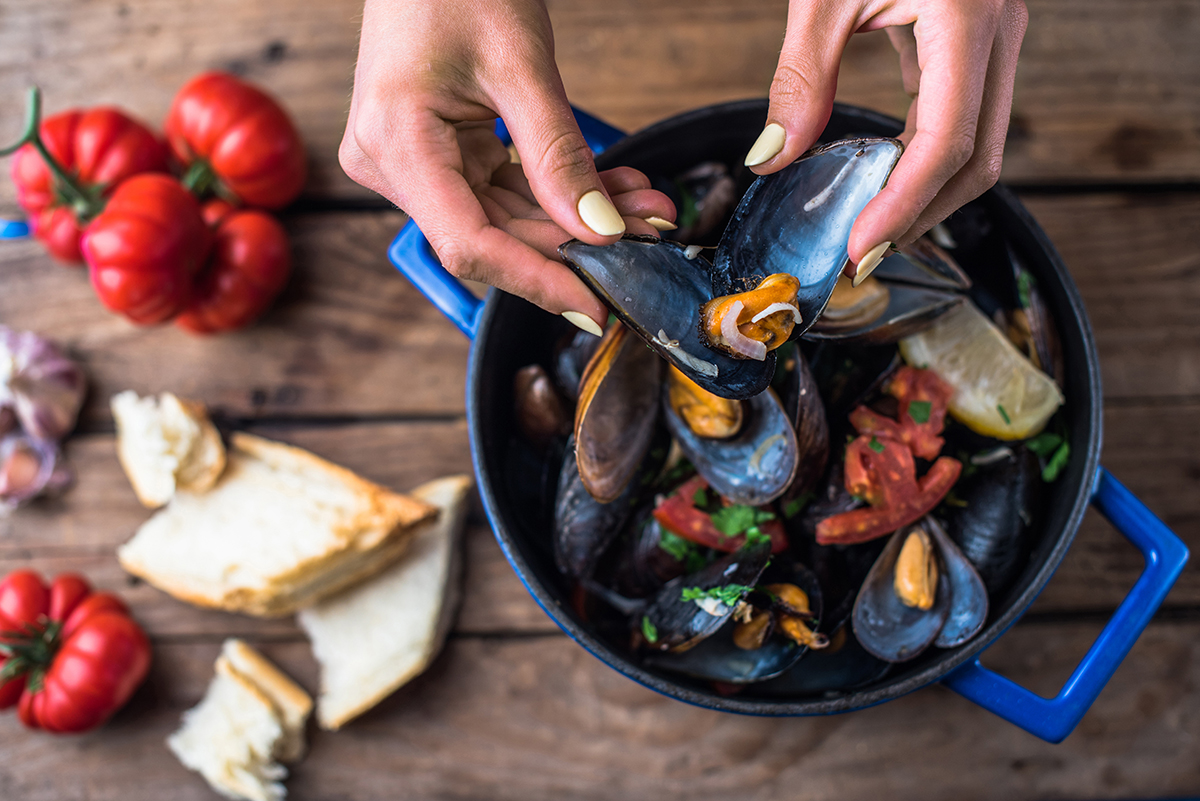
Odessa Mussels with White Wine, Tomatoes, and Sheep Cheese
Odessa Mussels Black Sea mussels cooked in a cauldron with shallots, garlic, white wine, tomatoes, and crumbled sheep cheese. myodesacuisine.com
This is Odesa "country food," the kind of dish meant for a long table at a summer cottage in the Fountain neighborhood. Kalenska pairs it with a recommended Ukrainian white wine and tells you to drink the cooking liquid from the empty shells. The recipe is precise and uncomplicated, but the headnote is doing more than recipe-writing. It is recording how this dish was eaten, where, by whom, and with what.
Tar, Halva and Sunflower Seeds: The Street of Childhood
Tar, Halva and Sunflower Seeds A literary essay on the smells of a vanished Odesan childhood street. myodesacuisine.com
This is a cultural essay, not a recipe, and it shows what Kalenska is actually building. She remembers a courtyard, the demolished houses of the old Vorontsovskaya, the trick of climbing molasses tanks to lick them with sticks, the way a working-class Odesa neighborhood spoke. The piece anchors the recipes that surround it, giving the food the texture of a real place rather than a generic regional cuisine.
Why It Matters
There is almost no English-language home-cooking content devoted to Odesan food. The city has been written about in fiction, journalism, and increasingly in war reporting, but its kitchens, the day-to-day mix of Black Sea seafood and Bessarabian wine and Jewish baking and Ukrainian pickles, have stayed largely inside the diaspora's private notebooks. Kalenska is one of the few writers translating that material into English, and she does it with the prose of someone who knows her childhood street is gone.
The blog also fills a real gap in our spotlight series. Where Polina Chesnakova writes from a multi-heritage American childhood, Kalenska writes from inside the home city itself. Together with Karolina Klesta on Polish home cooking, the three blogs are starting to map a region of European home cooking that English-language food media has barely begun to read.
Explore My Odessa Cuisine: https://www.myodesacuisine.com/
We're featuring exceptional food blogs that bring unique perspectives to cooking and culture. At ChefTalk, we're building a voice-first cooking companion that transforms any recipe into hands-free, step-by-step guidance. Learn more.