Laylita's Recipes: Turning Phone Calls Home Into Ecuador's Recipe Archive
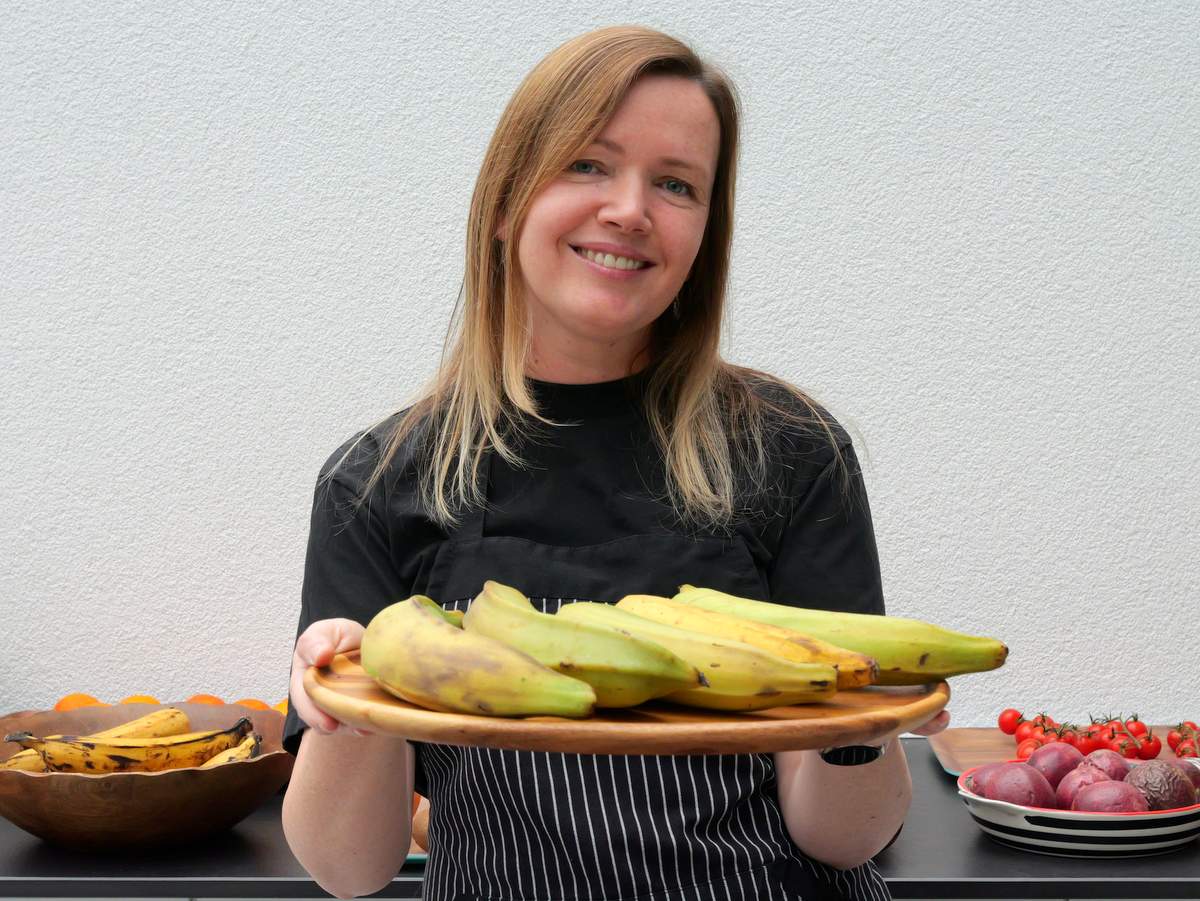


When Layla Pujol moved from Ecuador to Austin, Texas, she faced a problem familiar to immigrants everywhere: how do you recreate the flavors of home when the instructions live only in your grandmother's memory? Her solution became the foundation for one of the most trusted Ecuadorian recipe resources on the internet. Armed with a phone and a mission, she called her friends' mothers back in Ecuador, asking them to walk her through traditional recipes step by step. But Laylita did something most home cooks don't. She measured everything, documented every technique, and translated vague instructions like "cook until it feels right" into precise methods that work in American kitchens with ingredients found at regular grocery stores.
The result is Laylita's Recipes, a comprehensive bilingual cooking resource that proves traditional Ecuadorian food doesn't require a PhD in South American cooking or access to specialty markets in Quito. It just requires someone willing to bridge the gap between cultural memory and kitchen reality.
What Sets Laylita Apart: The Cultural Translator's Precision
Most recipe blogs either preserve tradition so faithfully they become impractical for diaspora cooks, or they adapt so liberally that authenticity gets lost. Laylita's work occupies the rare middle ground: deeply respectful of Ecuadorian culinary heritage while being honest about the adaptations necessary when cooking outside Ecuador.
Her multilingual platform (English, Spanish, and French) offers downloadable recipes with detailed cultural context that explains not just how to make a dish, but why it matters: the regional variations, the family traditions, the historical significance. When she notes that Ecuadorian chicharrones are chunks of deep-fried fatty pork, not the pork rinds you'd find in Mexico, she's doing more than clarifying ingredients. She's teaching readers to understand Ecuadorian food on its own terms.
This precision extends to her recipe development. Where traditional cooks might say "fry the plantains until soft," Laylita specifies 40 minutes over medium heat, turning every 10 minutes until slightly golden but not crispy. She acknowledges when she's adapted techniques for American kitchens, like adding an egg to green plantain dough because U.S. plantains aren't always as green as Ecuadorian ones, and she's transparent about calling these adaptations her "carishina cooking hacks," using a Quechua term that loosely translates to someone with no hope in the kitchen.
Credentials: From Vilcabamba to Luxembourg, Teaching the World to Cook Ecuadorian
Born in Vilcabamba, Ecuador, a small town in Loja province known for its longevity and natural beauty, Layla Pujol now lives in Luxembourg, having built a global audience for Ecuadorian cooking from her position in the diaspora. Her published cookbook and recognition as a Google for Publishers case study validate what thousands of home cooks already know: when you want to make authentic Ecuadorian food outside Ecuador, you turn to Laylita.
Her platform has become the go-to resource not just for Ecuadorian expats seeking connection to home, but for adventurous cooks worldwide who want to explore a cuisine that remains underrepresented in American food media despite its incredible regional diversity and pre-Columbian roots.
Featured Recipe: Choriqueso Empanadas - Fusion with Purpose
 Layla Pujol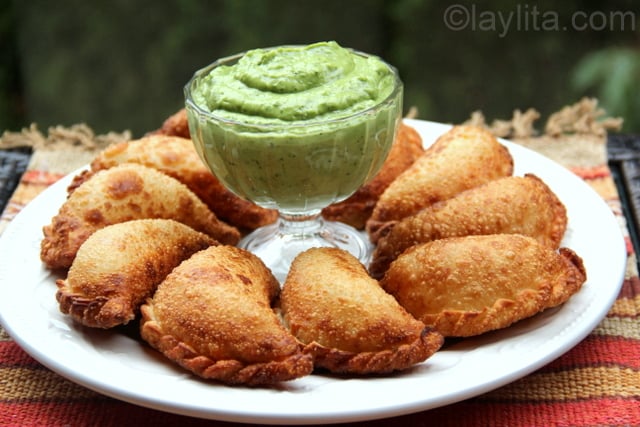
One of Laylita's most popular recipes demonstrates her creative approach to Latin American cooking: choriqueso empanadas that marry Mexican queso fundido with Ecuadorian empanada technique. The dish started with a simple observation: if choriqueso (the beloved Mexican warm cheese and chorizo dip) is delicious with tortilla chips, imagine it stuffed inside a crispy empanada.
The genius is in the execution. Laylita uses fresh Mexican-style chorizo cooked with onions and achiote until it achieves that vibrant red color characteristic of Latin American cooking. The filling combines melting mozzarella with crumbly queso fresco. The mozzarella provides gooeyness while the queso fresco adds the sharp, salty flavor that elevates the dish beyond simple comfort food. For those who want heat, fresh jalapeño slices add bite without overwhelming the cheese-chorizo balance.
But it's her empanada technique that reveals the depth of her recipe development. She provides detailed instructions for making dough from scratch (with the revealing note that she uses orange juice and sparkling water for flakiness), but she's equally comfortable recommending store-bought discs for busy cooks. She specifies chilling the assembled empanadas for at least an hour before frying or baking. Not optional food safety theater, but essential technique to prevent leaks and ensure proper sealing.
The recipe earned nearly perfect ratings (4.88 out of 5 stars from 149 reviews) because Laylita anticipated every potential problem. Worried about cheese leaking during frying? She explains the sealing technique in detail, with photos showing how to twist and fold edges. Want to bake instead of fry? She provides oven temperature and egg wash instructions. Her 10-year-old son's method of opening them from one end to stuff with avocado sauce becomes a serving suggestion that acknowledges how real families eat real food.
This is fusion cooking done right: creative without being gimmicky, accessible without sacrificing flavor, and thoroughly tested so home cooks can trust the results.
Featured Recipe: Bolon de Verde - The Coastal Breakfast Tradition
 Layla Pujol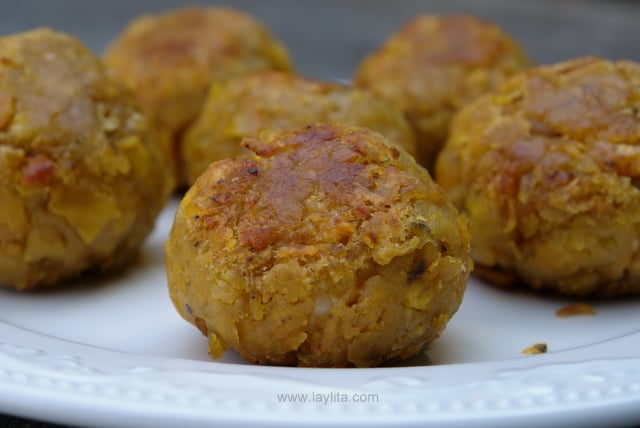
To understand authentic Ecuadorian cooking, you need to experience bolon de verde, the green plantain dumplings that define coastal breakfast culture. These aren't delicate dumplings. They're substantial, satisfying balls of mashed fried plantains stuffed with cheese or chicharrones, then fried again until golden and crispy outside.
The name "bolon" comes from Ecuadorian slang for large ball, but that translation doesn't capture the technique required. Green plantains must be fried slowly in butter or lard (Laylita specifies 40 minutes over medium heat) until they're tender enough to mash into dough. This isn't a step you can rush. The plantains need time to soften completely while developing slight caramelization that adds depth to the final dish.
Laylita's instructions reveal her teaching philosophy. She explains how to peel stubborn green plantains (make the cut on the protruding edge, skin-deep only, then peel under running water to prevent staining). She clarifies that Ecuadorian chicharrones are chunks of fried pork, not Mexican-style pork rinds, a distinction that matters when sourcing ingredients. She seasons the mashed plantains with chili powder, cumin, and salt, then shapes them into balls with a hidden center of melting cheese or savory meat.
The recipe also demonstrates her willingness to experiment and share honest results. She tried creating a healthier version by boiling the plantains instead of frying them, hoping to reduce oil. It didn't work. The texture was wrong, the dough wouldn't hold together properly. But that failure led her to another traditional dish called majado de verde, a mashed green plantain breakfast served with fried eggs. She shares both the successful recipe and the failed experiment, teaching readers not just what works but why certain techniques matter.
Served with hot coffee, a fried egg, fresh hot sauce, and sliced tomato or avocado, bolon de verde represents everything that makes Ecuadorian coastal breakfast special: substantial, flavorful, deeply satisfying, and connected to centuries of culinary tradition while remaining completely accessible to modern home cooks.
Why Ecuadorian Cooking Matters Now
American food culture has embraced Mexican, Peruvian, and Brazilian cuisines, but Ecuadorian food remains relatively unknown despite its remarkable diversity. The country's dramatic geography (Pacific coast, Andean highlands, and Amazon rainforest) creates distinct regional cuisines with different ingredients, techniques, and traditions.
Coastal cooking features seafood, green plantains, peanuts, and coconut, with dishes influenced by pre-Columbian Manteño-Huancavilca cultures. Highland cooking centers on potatoes, corn, and meat, with strong indigenous Quechua traditions. These regional differences make Ecuadorian cuisine incredibly diverse within a relatively small country.
Resources like Laylita's Recipes become essential for preserving this culinary knowledge as Ecuadorian communities spread globally. Her work ensures that second and third-generation Ecuadorians can recreate family recipes even if they've never set foot in Vilcabamba, and that curious cooks worldwide can explore a cuisine that deserves recognition alongside its better-known South American neighbors.
In an era when food blogs often prioritize novelty over authenticity, Laylita's commitment to documenting traditional techniques with precision and cultural context creates a valuable archive of Ecuadorian food knowledge that might otherwise exist only in home kitchens and family memories.
Explore Ecuadorian Cooking with Laylita
Whether you're making your first batch of empanadas or perfecting your grandmother's bolon de verde recipe, Laylita's detailed instructions and cultural context make Ecuadorian cooking approachable and exciting. Her recipes prove that traditional food doesn't require impossible-to-find ingredients or vague instructions passed down through generations. It just needs someone willing to measure carefully, test thoroughly, and share generously.
At ChefTalk, we believe the best cooking happens when technique meets tradition. Laylita's work embodies this philosophy, making sophisticated South American cooking accessible while honoring the cultural heritage that makes each dish meaningful. Her voice-optimized recipes would pair beautifully with hands-free guidance, letting you master plantain dough or empanada folding without sticky fingers on your phone screen.
Discover more Ecuadorian cooking:
- Visit Laylita's Recipes
- Try her Choriqueso Empanadas
- Master Bolon de Verde
- Explore her complete Ecuadorian Plantain Recipes collection
This post is part of our Featured Food Blogs series, celebrating creators who bring authentic cultural cooking to home kitchens worldwide.