Heifa Odeh's Fufu's Kitchen: Palestine on Every Plate
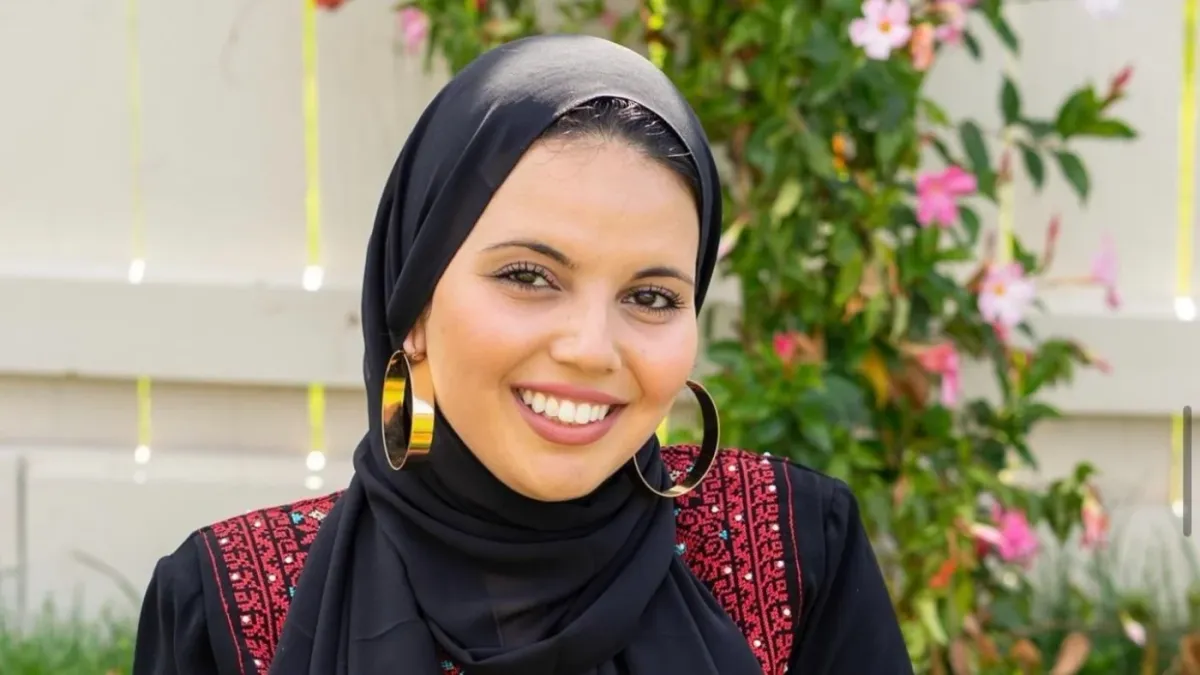
 Heifa
Heifa
Fufu's Kitchen Award-winning Palestinian home cooking from a first-generation American preserving her family's table fufuskitchen.com
When her publisher suggested she write a general Middle Eastern cookbook, Heifa Odeh said no. She would only write a Palestinian cookbook, and the word Palestine would be front and center. That insistence produced Dine in Palestine, a collection of 60 family recipes that carries the same conviction as everything Odeh does at Fufu's Kitchen: this food belongs to a specific place, a specific people, and a tradition worth naming.
Odeh is a first-generation Palestinian American, raised in New Jersey and now based in Chicago. She grew up watching her mother cook without measurements, absorbing technique through observation rather than instruction. Summer trips to Palestine and Jordan with her family deepened the connection, as grandmothers and aunts added their own dishes to her developing repertoire. When she married and moved away, the distance from her mother's kitchen turned longing into action. Fufu's Kitchen began as a way to recreate and preserve the flavors she missed, translating her mother's pinch-of-this, dash-of-that approach into recipes anyone could follow.
A Cuisine That Deserves Its Own Name
What sets Odeh apart is her refusal to let Palestinian food dissolve into the broader category of "Middle Eastern cooking." Her recipes carry specific Palestinian identity, from the sumac and olive oil that define musakhan to the layered spices of a proper maqluba. She earned Saveur magazine's 2019 Best Food Culture Blog award for exactly this kind of cultural specificity, and the recognition reflects a blog that treats Palestinian cuisine as a complete culinary tradition rather than a regional footnote.
This specificity connects Odeh to a pattern we have seen across the Levant. Where Hadia Zebib preserves her mother-in-law's Lebanese kitchen and Omayah Atassi documents her mother's Syrian recipes from Homs, Odeh completes a portrait of Levantine home cooking from the Palestinian table. Three women, three kitchens, three distinct traditions that share ingredients and geography but never the same stories.
Odeh also brings the practical warmth of someone feeding two active boys on weeknight schedules. Her recipes work. The community comments on her site read less like generic praise and more like reports from kitchens where maqluba actually held its shape when flipped, where musakhan rolls disappeared before they reached the table. She has also developed an online Arab cooking course and published a Ramadan meal planning guide, extending her reach beyond the blog into structured teaching.
Two Recipes Worth Exploring
Musakhan, Palestine's National Dish
 Heifa
Heifa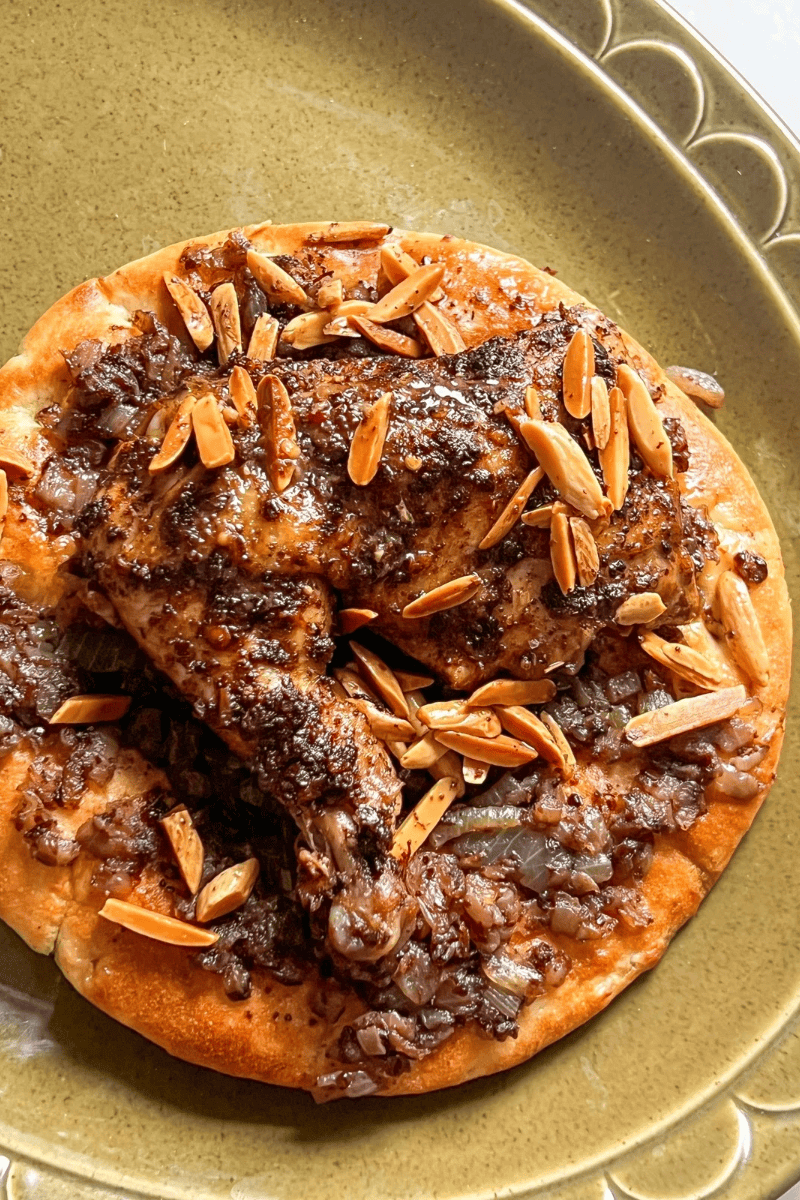
Musakhan Sumac chicken on olive oil flatbread with caramelized onions fufuskitchen.com
Musakhan translates to "reheated," a name that speaks to Palestinian resourcefulness. The dish originated as a way to revive day-old taboon bread by drenching it in fresh olive oil, then topping it with jammy sumac onions and roasted chicken. Odeh explains that the dish is deeply tied to the olive harvest, when families celebrate with the season's first pressed oil. Her recipe walks through every layer, from cleaning and marinating the chicken to achieving that perfect balance of crisp edges and soft center on the bread. It is the kind of dish that teaches you about a culture while feeding you extraordinarily well.
 Heifa
Heifa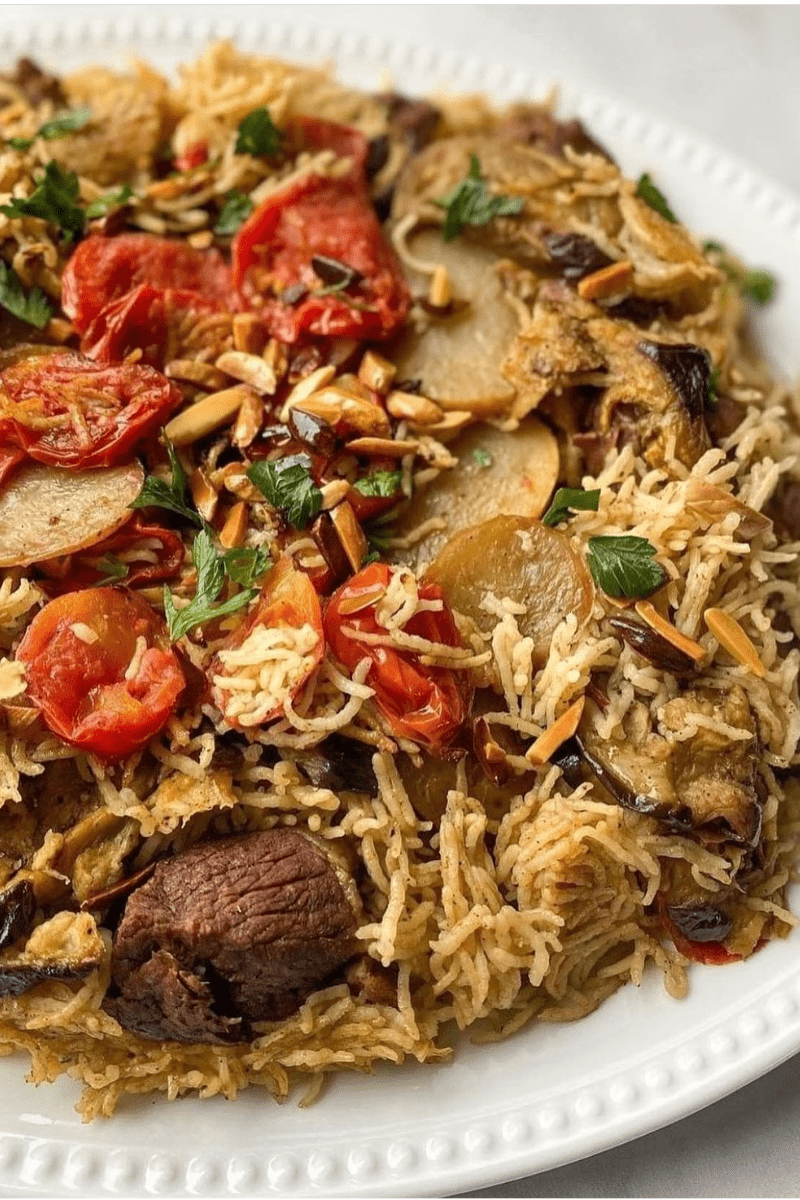
Maqluba with Lamb Layered rice, vegetables, and lamb flipped upside down for a dramatic reveal fufuskitchen.com
Maqluba means "upside down," and the name is the recipe's promise: layer seasoned rice, baked cauliflower, eggplant, potatoes, and tender lamb shoulder into a pot, then flip the whole thing onto a platter. Odeh notes that this is often the first meal prepared in Palestinian households during Ramadan, a one-pot dish that delivers grain, vegetables, and protein in a single dramatic reveal. Her detailed instructions cover everything from skimming the lamb broth to getting the rice-to-liquid ratio right, making the dish approachable even for cooks who have never worked with lamb.
Why It Matters
Palestinian cuisine has long been subsumed under broader labels. Odeh's work, alongside a growing community of Palestinian food writers, is changing that. Her blog, her cookbook, and her insistence on the word Palestine in everything she publishes are all part of a larger effort to ensure that these recipes are recognized for what they are: the food of a people with a deep and specific culinary heritage.
Like Maryam Jillani's work at Pakistan Eats, Odeh is building an archive. Every recipe she documents, from her grandmother's sneeyet lahmeh to her own musakhan tacos, adds another entry to a record that might otherwise exist only in the memories of the women who taught her.
Explore Fufu's Kitchen: fufuskitchen.com
Sources:
- Middle East Eye — Heifa Odeh on her culinary roots and cultural resilience
- Dine in Palestine — Barnes & Noble
- Fufu's Kitchen — Dine in Palestine
We're featuring exceptional food blogs that bring unique perspectives to cooking and culture. At ChefTalk, we're building a voice-first cooking companion that transforms any recipe into hands-free, step-by-step guidance. Learn more.